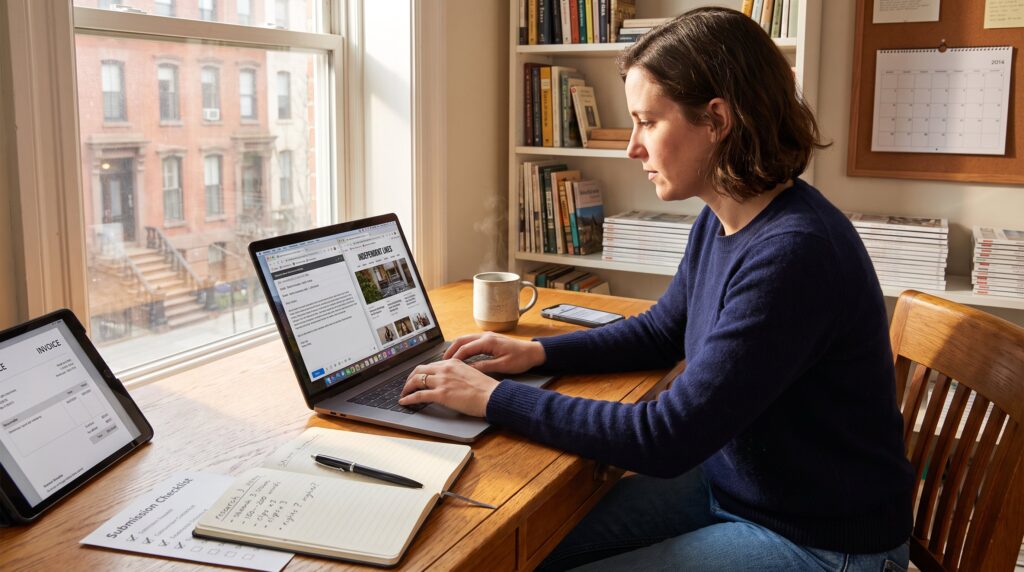
How to Contact or Contribute to an Independent Online Magazine starts with a clear goal: place work where an editor will actually read it. Writers and creators who target indie outlets gain niche audiences, editorial freedom, and portfolio credits that lead to paid work. This guide gives concrete steps: how to research suitable magazines, craft a tight pitch, choose the right submission channel, and manage rights and payment. It focuses on practical moves a contributor can take today to increase acceptance rates and protect future earnings.
Key Takeaways
- Contacting or contributing to an independent online magazine can boost your niche audience and editorial freedom while building valuable portfolio credits.
- Research magazines thoroughly by reading recent issues and matching your work style to their tone, length, and content preferences to improve acceptance chances.
- Craft concise, targeted pitches of about 150–200 words that clearly state your story idea, relevance to the magazine, and include relevant clips and contact details.
- Always use the magazine’s preferred submission channel and address editors by name, placing pitches directly in the email body for better engagement.
- After submission, follow up politely, clarify revision and rights terms, and negotiate payment to protect your work and earnings effectively.
Why Contacting Or Contributing To An Indie Online Magazine Matters
Independent online magazines offer distinct advantages that matter for a writer’s career and voice. First, they host niche audiences, readers who follow specialized topics such as fashion, crypto, or parenting, and those readers convert into subscribers, newsletter signups, or commissionable projects. Second, indie editors often accept stronger, more original angles, giving contributors creative freedom they rarely find at large outlets.
Concrete example: a freelance writer published three personal essays in small magazines during 2024: those pieces generated five speaking inquiries and two paid commissions totaling $2,100 over six months. That illustrates how a few targeted placements can produce measurable income and visibility.
Practical warning: some indie magazines publish without payment or ask for wide rights in exchange for exposure. Contributors should expect variety: some pay per word, some offer a flat fee, and others grant only non‑exclusive rights. Knowing these models helps a writer prioritize outlets that match financial and career goals.
How To Research And Choose The Right Magazine For Your Work
Pick a magazine that reads like the piece you want to place. Start by reading three recent issues or ten recent pieces to judge tone, structure, and visual style. Note section names and typical word counts. If an outlet publishes long reported features and you write tight 800‑word essays, it’s a poor fit.
Use these quick checks: confirm the magazine accepts freelance submissions: find explicit pay rates and rights language: and see whether they prefer pitches or finished drafts. For practical examples, contributors often consult a site’s editorial page or the submission guidelines linked on its blog. A writer preparing a culture piece can look at the publication’s lifestyle section to match voice and approach.
When assembling a short target list, include one aspirational outlet, two realistic outlets, and one quick‑win option. This funnels time efficiently and raises overall acceptance odds. For help understanding a publication’s scope, consult a blog on building that outlines magazine strategies and formats.
How To Craft A Clear, Professional Pitch Editors Will Read
Lead with the story idea in one sentence. Editors scan: they decide within 30–60 seconds whether to read further. State the headline or working title, the angle, and why their readers will care.
Keep the pitch concise (about 150–200 words). Include the central argument, a short explanation of the reporting or sources you’ll use, and one sentence explaining fit, reference a recent piece by the magazine to show you did your assignments. End with one sentence bio that lists relevant clips and a simple note about availability and rights you seek.
Human note: a writer once sent a 700‑word background and never heard back. After trimming to 170 words and naming three exact clips from the same outlet, the writer earned an acceptance and a $250 fee. Brevity and specificity work.
Editors prefer pitches pasted in the email body, not only attachments, and they respond better to pitches that mention a specific section or editor by name.
Pitch Template, Supporting Materials, And Submission Checklist
Pitch Template
1 sentence: what you’re pitching (title, form, word count). Two sentences: the nut graf, what the story argues and the key reporting. One sentence: why it fits this magazine, citing a recent relevant piece. One sentence bio + 1–3 clip links.
Supporting materials: 2–4 paste‑ready clips, working headline, a short outline or beat list, and image credits or permissions if the story needs visuals. Use shareable docs (Google Doc) or a single DOCX/PDF if the guidelines allow.
Submission checklist: confirm the magazine’s preferred file format, confirm editorial contact name, include contact phone or invoicing details if they pay, and ensure all links work. Also confirm you own rights to any images or provide clear licensing notes.
Practical tip: save a one‑page template and customize three lines per pitch: this cuts preparation time to 20–30 minutes per outlet without losing personalization.
Contact Methods, Submission Channels, And Professional Etiquette
Use the channel the magazine lists, email, form, or a portal like Submittable. If guidelines ask for email, do not use a submission portal: mismatch often triggers automatic rejection.
Address the editor by name when possible. If a masthead lists an editor, use their full name and correct title. Put the pitch in the email body with a clear subject line: “Pitch: [Short Headline], 1,200 words”. Avoid large attachments unless requested: instead include a Google Doc link or paste the manuscript.
State simultaneous submissions transparently. Many indie editors will accept simultaneous submissions if notified. They appreciate brief, courteous follow‑ups: a confirmation email after 3–7 days if no receipt notice appears, then a polite decision follow‑up at their stated response window.
For practical orientation within digital publishing, contributors can compare editorial styles and topic focus with a short piece on technology topics to align tone and submission method.
What Happens After You Submit: Follow‑Up, Revisions, Rights, And Payment
After submission, confirm receipt within a week if the magazine does not auto‑reply. If the editor asks for a revision, clarify scope: how many rounds, which elements are negotiable, and the final deadline. Always get revision terms in writing.
On acceptance, the two critical contracts are rights and payment. Ask which rights are required, first serial, exclusive, or non‑exclusive, and whether the magazine requires a first North American serial or worldwide exclusivity. Also confirm payment terms: per‑word or flat fee, payment schedule, and invoicing process.
Practical numbers: many small magazines pay between $0.05 and $0.30 per word: some pay flat fees of $100–$500 for features. If a magazine asks for wide rights but pays nothing, negotiate for a shorter exclusivity window (e.g., 30–90 days) or a byline credit with a linked author page.
For a model of a modern indie publication and its content mix, contributors often review a complete guide that clarifies editorial priorities and typical contributor arrangements.
Conclusion
Targeted research, a tight pitch, and respectful follow‑up raise a contributor’s odds with independent online magazines. They offer exposure, specialized readerships, and potential income, but only if a writer protects rights and negotiates payment. Start with small, well‑matched pitches, build clips, and expand to bigger outlets while tracking fees and rights.