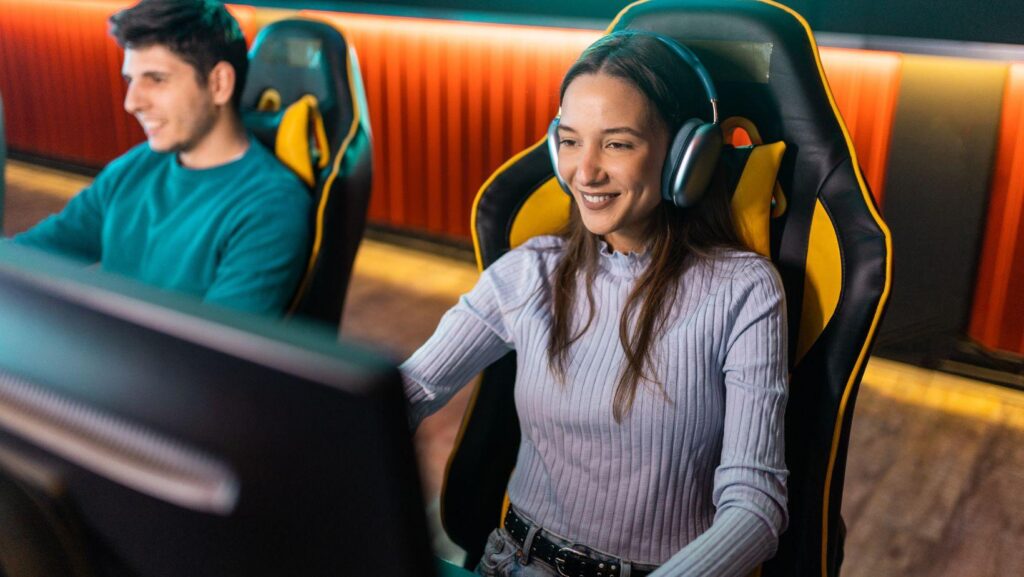
Ten years ago, the image of a professional gamer involved empty energy drink cans, darkened rooms, and grueling sixteen-hour practice marathons. Today, the world’s top esports organizations employ sleep doctors, track rapid eye movement cycles, and enforce strict bedtimes for their star players. The shift happened because raw mechanical skill has hit a ceiling. When everyone in a tournament can land a perfect headshot, the difference between taking home a championship trophy and an early exit comes down to cognitive stamina. Rest is the new competitive meta, and teams are treating it with absolute seriousness.
The End of the Energy Drink Era
For a long time, caffeine was the only performance enhancer esports teams cared about. Players chased a jittery hyper-focus, assuming more awake hours naturally translated into better gameplay and deeper strategic understanding. However, cognitive fatigue eventually catches up, usually at the worst possible moments. Modern coaches realized that running on three hours of sleep creates a deficit that no amount of sugar, espresso, or adrenaline can fix.
In environments where millions of dollars are on the line, players need sustained, calm focus rather than short bursts of wired energy. High-stakes gaming platforms and competitive arenas both require a sharp mind to calculate odds and make split-second choices. For instance, whether you are managing an in-game economy in a tactical shooter or visiting a platform like https://yep.casino/en-gb, a tired brain will always struggle to evaluate risk properly. The industry learned the hard way that burning the midnight oil destroys the very skills needed to secure a win, leading to high burnout rates and shortened careers.
How Exhaustion Ruins Your Game
When a player is sleep-deprived, the brain’s prefrontal cortex—the area responsible for logical reasoning and impulse control—begins to shut down. This leads to a cascade of negative effects that directly impact a player’s in-game performance, ranging from slightly missed shots to terrible strategic calls that cost the entire match.
Understanding the specific ways exhaustion sabotages gameplay helps highlight exactly why rest is non-negotiable for professionals.
The Science of Rest and Reaction Times
Sleep is not just a period of inactivity; it is an incredibly active phase of cognitive repair and physical maintenance. During the deeper stages of the sleep cycle, the brain actively processes everything learned during the day. For a professional gamer, this means taking the thousands of micro-adjustments practiced during a scrimmage and locking them into long-term memory.
Without adequate rest, practice time is essentially wasted because the brain never gets the chance to encode those new skills. Gamers are constantly looking for ways to maximize their efficiency and get more out of their time. Just as a smart player might seek out strategic advantages or promotional offers to stretch their playtime further at https://yep.casino/en-gb/bonuses, an esports athlete uses optimized sleep schedules to multiply the value of their practice sessions. They let their resting brains do the heavy lifting.
REM Sleep and Muscle Memory
Rapid Eye Movement (REM) sleep is where the magic happens for complex motor skills. When players wake up feeling like their aim is magically snappier and their movement is more fluid, it is usually because they spent enough uninterrupted time in the REM phase for their brain to meticulously organize and store the previous day’s mechanical training.
Building a Championship Sleep Routine
Esports organizations now treat sleep hygiene with the same reverence as physical sports teams treat nutrition and weightlifting. They understand that a dark, cool room and a consistent schedule do more for a player’s accuracy than buying a lighter gaming mouse or a faster monitor. Whether a player is grinding through a grueling bracket tournament or exploring the fast-paced mechanics of a casual game (you can see a great example of varied game pacing at this source), the brain demands regular downtime to maintain high-level pattern recognition.
Top-tier teams implement strict environmental rules and nightly habits to guarantee their rosters wake up fully restored and ready to compete.
Waking Up to Better Performance
The era of the exhausted, overworked gamer is officially over. Today’s champions recognize that the most important hours for their career happen when their computers are powered off and the room goes dark. By treating sleep as a vital training mechanism rather than a biological inconvenience, players are pushing the boundaries of human reaction times and cognitive endurance. In the modern competitive arena, the player who sleeps best is almost always the one who shoots first.