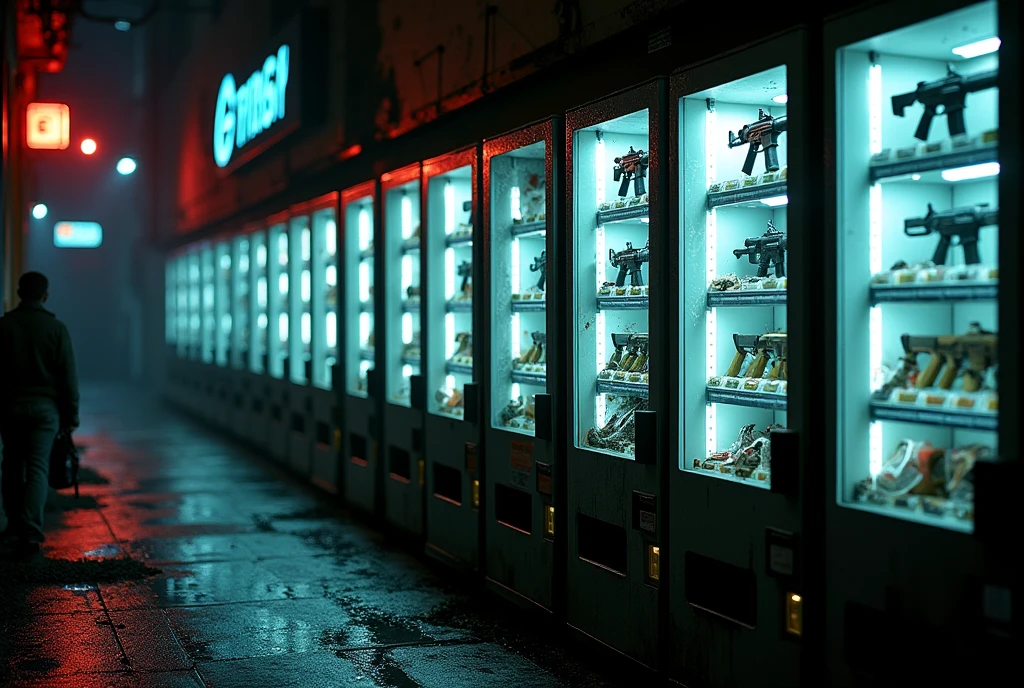
A late session often ends the same way: one last case, a quick glance at balance, and a quiet decision to continue or stop. That pattern repeats across thousands of users who cycle through csgo case skins, opening cases at a fixed cost and hoping for a result that stands out from the usual flow. The outcome appears instantly, and in rare moments it lands on something far above the average range. Most openings produce familiar mid-tier items, yet the system leaves just enough room for a high-value drop to keep attention locked in. That contrast between routine results and occasional standout items defines how value is perceived. It is not about frequency, it is about possibility. Over time, players learn that the system does not build toward a result. Each case stands alone, and the highest-value skins remain exceptions, not milestones.
The skins that reach the highest prices
Certain skins consistently sit at the top of the market due to a mix of rarity, demand, and visual identity. These items are not just rare; they are recognized instantly across the community. Their value is reinforced by limited availability and strong resale demand. Over time, a small group of skins has established itself as the benchmark for high-tier drops.
Examples of high-value skins:
- Karambit Doppler with rare phases
- Butterfly Knife Fade with high fade percentage
- M9 Bayonet Crimson Web with clean pattern
- Sport Gloves Vice with minimal wear
- Specialist Gloves Pandora’s Box
These items often reach prices from several hundred to several thousand dollars depending on condition. Factory New versions with clean patterns command the highest values, while lower conditions reduce price significantly. The gap between two versions of the same skin can exceed 50% of its value. That variation makes each drop unique even within the same category. High-tier skins are not interchangeable, and small details matter.
Why knives and gloves dominate the top tier
Knives and gloves hold a structural advantage in the market. They occupy the highest rarity tier and appear far less frequently than weapon skins. Their design also sets them apart, as they remain visible across every match rather than appearing only in specific moments. This constant visibility increases demand and keeps prices elevated. Their role goes beyond function; they serve as status markers within the game.
Key factors behind their value:
- Extremely low drop rates, often below 0.5%
- Consistent demand across trading markets
- Wide variation based on pattern and wear
Weapon skins can reach high values, yet they rarely match the ceiling of knives and gloves. The difference lies in both rarity and perception. A knife drop changes the entire session outcome, while a weapon skin usually does not. That distinction keeps knives and gloves at the center of the high-end market.
Condition, pattern, and the price gap
Two identical skins can have completely different prices due to condition and pattern. These factors often define the final value more than rarity itself. The system assigns each item a wear level, ranging from Factory New to Battle-Scarred. Even small changes in wear can reduce visual quality and market demand. Patterns add another layer, especially for skins with unique finishes.
Important value factors:
- Wear level, with Factory New holding the highest price
- Pattern index, affecting visual appearance
- Float value, determining exact condition
- Demand for specific variations
A Karambit Fade with a high fade percentage can sell for significantly more than a standard version. Gloves with clean textures command higher prices than worn-out variants. These differences are not always obvious at first glance, yet they drive the market. Players who overlook them often misjudge value.
What the numbers actually look like
The gap between average and high-end drops becomes clear when looking at real numbers. Most case openings produce items worth less than the case itself. High-value skins appear rarely, and their presence does not balance the overall distribution.
Typical outcome over multiple openings:
- 70–80% low or mid-tier skins
- 15–25% mid-high tier items
- Less than 1% high-value drops
If a case costs $3, opening 20 cases requires $60. The combined value of the results often falls below that number. A single high-tier drop can offset losses, yet it does not appear often enough to define the average outcome. The system relies on this imbalance to function. High-value skins remain statistically distant from most sessions.
A system built around exceptions
CS2 cases operate on a fixed probability model that does not change based on behavior. Expensive skins exist at the edge of that model, not at its center. Their rarity is what gives them value, and that rarity remains constant across all sessions. Players who understand this treat high-tier drops as rare outcomes rather than expected results.
The system does not reward persistence or timing. It repeats the same distribution every time. High-value skins remain possible, yet they do not become more likely. That balance between possibility and limitation defines the entire structure. Those who recognize it approach the system with more control, while others continue to chase outcomes that remain statistically unchanged.