
Physical therapy is a changing field, and so are the career opportunities for its practitioners. Conventional jobs are often fixed in time, location, and skill diversification. Flexible work models are changing how physical therapists plan their careers by offering new opportunities for experience, specialization, and improved work-life balance.
Per diem duty, temporary assignments, and travel opportunities allow physical therapists to choose their work environment, schedule, and target population. travel physical therapy assignments let PTs work in different clinics or facilities, experience varied clinical practice, enhance their careers, and schedule work according to their priorities.
Understanding Flexible Work Models in Physical Therapy
Physical therapy now offers flexible work models, allowing professionals to design their careers around personal and professional goals rather than traditional, permanent jobs. Common options include travel assignments, temporary contracts, per diem positions, and hybrid roles that combine several arrangements.
Differences Between Permanent and Flexible Positions
Permanent jobs are often associated with fixed hours, a single location, and long-term contracts with regular tasks. In contrast, flexible positions offer more freedom in assignments, hours, and location, allowing greater experience across a range of clinical activities.
Examples Across Healthcare Settings
Mobile PT jobs are available in many settings, including outpatient clinics, hospitals, rehabilitation centres, and home health services.
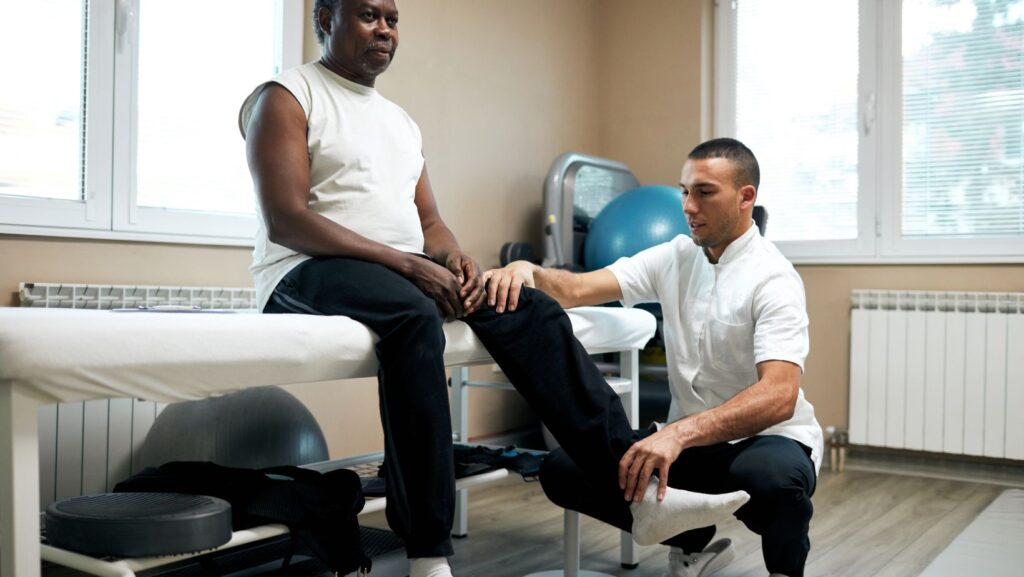
These roles allow professionals to work with diverse patient groups and therapy styles, accelerating skill acquisition and career advancement.
Benefits of Flexible Physical Therapy Careers
Flexible work models in physical therapy help professionals develop their careers while maintaining control over their hours and working conditions.
Exposure to Diverse Healthcare Settings and Patient Populations
Working across different clinics, hospitals, and home health settings helps PTs experience diverse patient groups, treatment regimens, and healthcare systems, thereby improving clinical diversity.
Professional Networking and Mentorship Opportunities
Flexible positions offer opportunities to work with multidisciplinary teams, connect with mentors, and build professional relationships that benefit future career growth and specialization.
Career Flexibility and Adaptability
PTs can balance work and personal life in mobile and temporary assignments because they control their location and schedule.
Career Planning and Professional Growth
Flexible work in physical therapy offers variety and lets professionals design their careers strategically. By choosing assignments, PTs gain specific experience, expand competencies, and accelerate career growth.
Choosing Assignments Strategically to Enhance Skills
When PTs choose assignments based on clinical specialty, patient population, or advanced techniques, they gain competence through specialisation in their areas of interest.
Accelerating Career Advancement Through Diverse Experiences
Exposure to different patient care types, practice methods, and work environments helps PTs acquire a wider range of skills more quickly than in a single, stable role, positioning them for leadership or specialized roles.
Balancing Specialization vs. Broad Skill Development
Flexible assignments let PTs specialize in a particular domain while also gaining a broad range of clinical experiences, giving them flexibility in future career choices.
Work-Life Balance Advantages
Workplace flexibility allows physical therapists to advance professionally while achieving a better balance between their personal and work lives. Mobile and short-term assignments give PTs the autonomy to organise their work in ways that minimise stress and align with their life priorities.
Flexible Scheduling and Location Choice
PTs can choose assignments, shifts, and work locations to fit their lifestyle, giving them more control over routines and long-term planning.
Reduced Burnout and Stress
Physical therapists can work in high-need clinical settings without burnout by balancing workloads and taking breaks between assignments, helping them stay engaged.
Aligning Work with Life Priorities
Healthcare workers can choose assignments that help balance family needs, education, or personal ambitions, ensuring work aligns with their life priorities.
Conclusion
Physical therapy careers are changing, offering opportunities to develop skills, gain diverse experiences, and achieve a better work-life balance through flexible work models. PT travel jobs provide experience in different settings, career growth, and flexible schedules. By embracing these opportunities, physical therapists can build rewarding and versatile careers in an evolving healthcare environment.