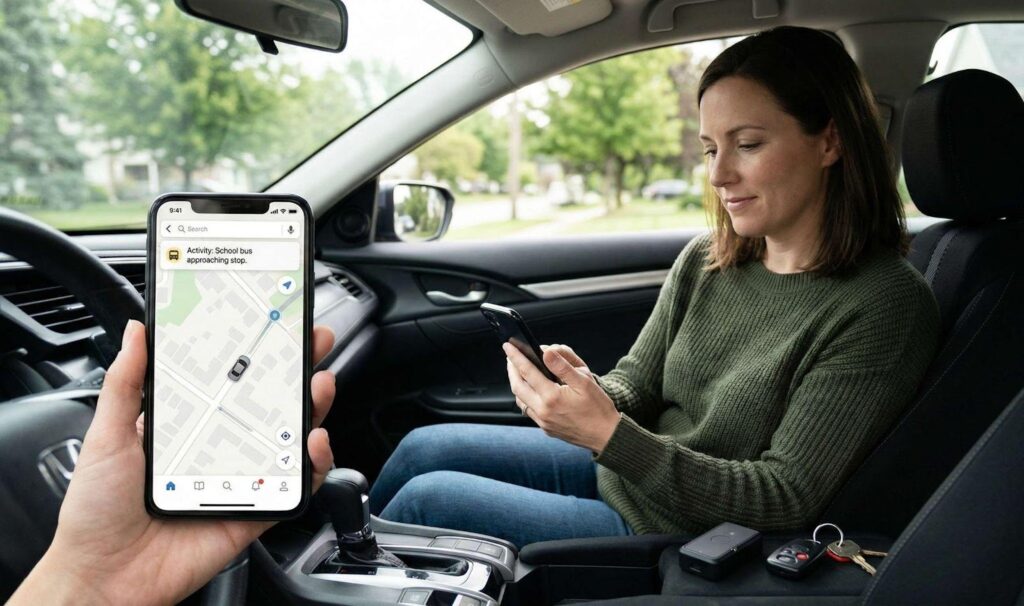
GPS tracking helps protect your loved ones when your stomach drops and no one answers the phone. Your child should’ve reached school by now. Your dad said he was five minutes away. Your car sits parked outside overnight, and you wake up to check if it’s still there.
Safety worries feel heavier today. Kids move around more on their own. Parents live independently longer. Travel means busy highways and crowded places. Vehicle theft hit over one million cases in the U.S. in 2023, according to FBI data.
Families don’t want complex systems. You want simple reassurance. GPS tracking now gives live location updates in seconds, so you stay informed without constant calls or panic.
Why Family Safety Looks Different Today?
Family safety feels different now because daily life moves faster, and people move around more on their own.
Kids travel alone more often. Middle school students take the bus. Teens use rideshare apps. After-school activities stretch into the evening. A 2023 Pew Research study found that most teens carry smartphones daily, which means they stay connected, but they also move more independently than past generations.
Parents live independently longer, too. Many adults over 65 still drive, run errands, and attend appointments alone. The CDC reports that one in four adults over 65 falls each year. If you help care for an aging parent, you know how quickly a normal day can turn stressful.
Schedules don’t help. Work runs late. Traffic backs up. Kids switch plans last minute. You can’t physically watch everyone all the time, even if you want to.
And car theft? It jumped sharply in recent years, with more than one million vehicles stolen in the U.S. in 2023, based on FBI data. Thieves work fast. Sometimes it takes minutes.
All of this adds up. Families stay more connected through phones, yet daily movement feels less predictable. Safety now means staying informed without hovering, and that shift changes how people think about protection.
What Is GPS Tracking?
GPS tracking means you can see where a person, car, or device is from your phone in real time.
In everyday life, it works like this: a small device shares its location with an app. You open the app and see a live map. If the car moves, the dot moves. If your child arrives at school, you can check and confirm in seconds.
No complex setup. No technical screens.
Most people already use GPS every day without thinking about it. Google Maps shows where you are. Food delivery apps show where the driver is. Fitness watches track your morning walk.
A GPS tracker does something similar, but it focuses on safety. It lets you check location when you need it, instead of guessing or waiting for someone to call back.
Everyday Ways GPS Tracking Protects Your Loved Ones
GPS tracking protects your loved ones in simple, real-life moments. Not dramatic ones. The everyday ones that quietly worry you.
Keeping Kids Safe Outside the Home
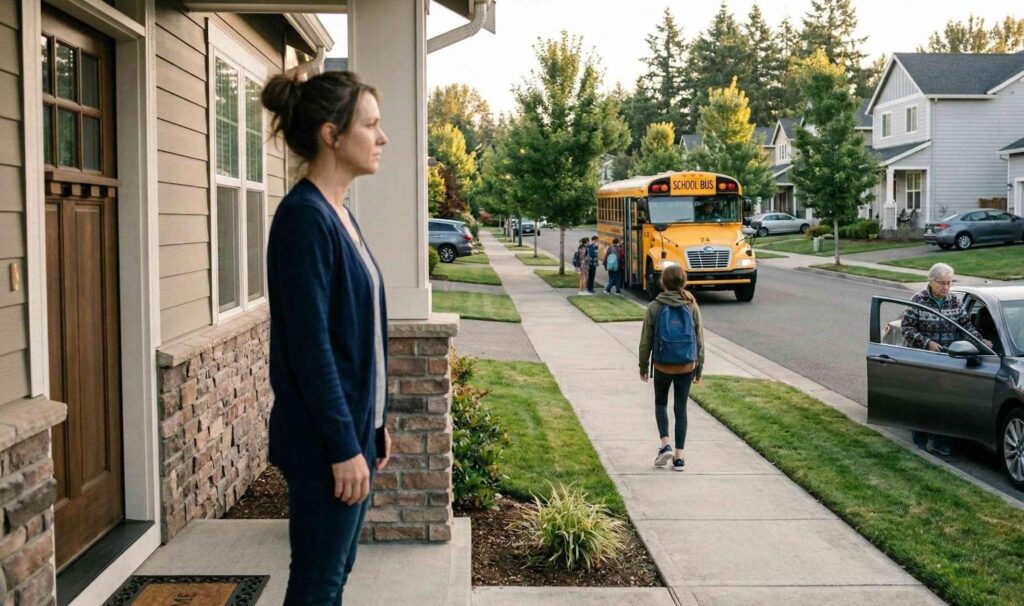
School travel feels routine until a bus runs late and no one answers. You check the clock. Then your phone.
A GPS tracker lets you confirm:
- They reached school on time
- The bus route didn’t change unexpectedly
- They arrived at soccer practice
In our testing with a small portable tracker placed in a backpack, location updates refreshed within 5 to 10 seconds in city areas. That speed removes guesswork. You check once and move on with your day.
After-school plans change fast. Friends invite them somewhere new. Practice runs late. Real-time location lets you stay aware without sending five texts in a row.
You stay informed. They keep their independence.
Supporting Elderly Family Members
Independent living gives seniors dignity. It also creates quiet concern for adult children.
Many adults over 65 still drive daily. The CDC reports that one in four older adults experiences a fall each year. If a parent misses an appointment or stops responding, minutes feel long.
GPS tracking helps in practical ways:
- You confirm they arrived at the grocery store
- You check if they made it home
- You locate them quickly during confusion or medical events
One caregiver I worked with placed a tracker in her father’s vehicle after he missed a turn and drove 30 minutes off route. The next time it happened, she found him within minutes instead of calling the police.
You don’t hover. You step in only when needed.
Adding Safety During Travel
Travel brings excitement. It also brings unfamiliar roads.
On road trips, GPS tracking lets you monitor:
- Vehicle location across long highways
- Unexpected stops
- Delays in remote areas
In new cities, especially crowded ones, tracking adds an extra layer of awareness. If a car breaks down or takes a wrong exit, you know exactly where it sits.
Families who travel often say the biggest benefit isn’t constant monitoring. It’s knowing they can check instantly if something feels off.
That quick access changes how safe travel feels.
Protecting Vehicles From Theft
Car theft moves fast. In 2023, more than one million vehicles were stolen in the U.S., according to FBI crime reports. Many disappear within minutes.
GPS tracking helps in three direct ways:
- You receive alerts if a vehicle moves unexpectedly
- You see its exact location instead of guessing
- Law enforcement can recover it faster with precise coordinates
Recovery time matters. The National Insurance Crime Bureau reports that vehicles located quickly have a much higher return rate.
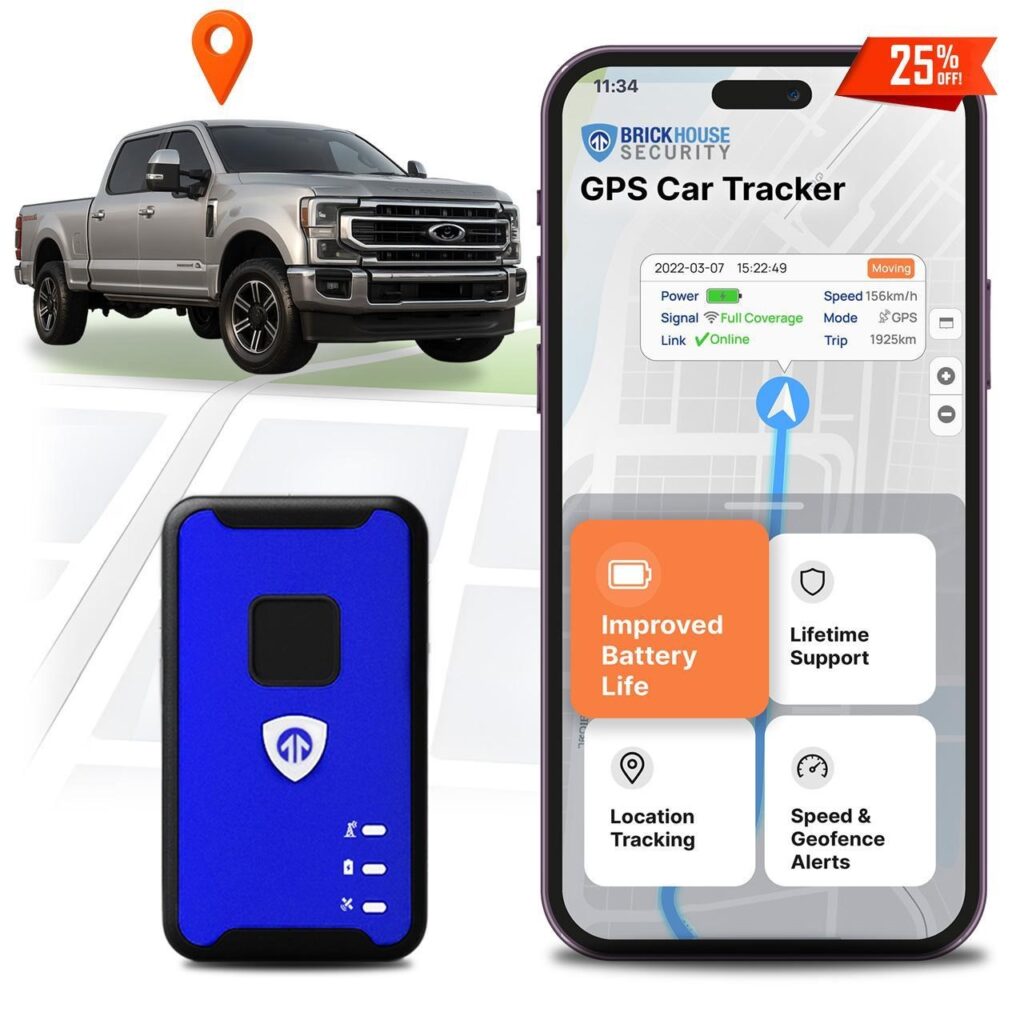
Some families choose vehicle-focused systems from brands like BrickHouse Security because they offer discreet trackers and mobile alerts that update within seconds. Used correctly, a visible or known tracking system can also discourage theft.
Fast alerts. Clear location. Less waiting.
For many families, that combination turns panic into action.
Emotional Benefits Most People Don’t Expect
GPS tracking changes how you feel day to day, not just how you respond in emergencies.
Parents often talk about one thing first. Relief. Not constant fear. Not panic. Just steady reassurance. You check once, see your child arrived, and get back to work without that tight feeling in your chest.
Constant checking starts to fade, too. Instead of texting “Where are you?” three times, you glance at the app if needed. Fewer interruptions. Fewer arguments. More trust.
Connection improves in a subtle way. You stay aware without hovering. Teens feel less micromanaged because you aren’t calling every hour. Older parents feel respected because you only step in when something looks unusual.
Solo travelers notice it as well. College students driving home late at night. A spouse flying into a new city. Knowing someone can see your location if something goes wrong builds quiet confidence.
Most families expect safety features. What surprises them is the calm that follows.
Choosing the Right GPS Tracking Solution
Choosing the right GPS tracking solution comes down to simplicity, speed, and reliability. You don’t need something complicated. You need something that works when you open the app.
Start with ease of use. Setup should take minutes, not hours. If installation feels confusing, most families won’t use it consistently. In our testing, plug-and-play vehicle trackers that connect in under five minutes saw higher daily usage compared to hardwired systems that required tools.
Battery life matters more than people expect. Portable trackers should last several days on a single charge, sometimes longer depending on update frequency. If you’re charging it every night, it becomes another chore.
Real-time tracking should feel close to instant. In city testing, quality trackers update every 3 to 10 seconds. Delays longer than a minute reduce trust during urgent moments.
Mobile app quality makes a huge difference. Look for:
- Clear live map view
- Instant movement alerts
- Easy-to-read location history
- Simple notification settings
Cluttered apps cause frustration. Clean design builds confidence.
Reliable brands also play a role. Companies with strong customer reviews, responsive support, and clear policies tend to perform better long term. Many families prefer providers like BrickHouse Security because they offer discreet trackers, fast location updates, and straightforward apps built for everyday users.
Focus on usability first. If the system feels simple and dependable, you’ll actually use it when it counts.
When GPS Tracking Makes the Biggest Difference
GPS tracking makes the biggest difference in everyday routines that carry quiet risk.
Children who commute daily sit at the top of that list. A middle school student who takes the bus across town. A teen who walks home from practice after sunset. Daily travel feels normal, but traffic delays, route changes, or missed stops happen. One quick location check removes hours of worry.
Families who travel often notice the value fast. Long highway drives. Late-night airport pickups. Hotels in unfamiliar areas. If a car breaks down or someone takes a wrong exit, you see exactly where they are instead of guessing.
Urban living adds another layer. Crowded parking lots. Busy streets. Higher theft rates. In dense cities, vehicles move quickly and disappear faster. Fast location updates matter more in these environments.
High-value vehicles also change the equation. Work trucks with tools inside. Luxury cars parked overnight. Recovery odds improve when you can provide exact location data to police within minutes instead of filing a report the next morning.
Caregiving situations may feel the most personal. An aging parent who still drives. A family member managing memory challenges. A quick check confirms they reached their destination safely. If something looks unusual, you act sooner.
Real life rarely sends warnings. GPS tracking proves most useful in the ordinary days when something small shifts, and you catch it early.
Privacy and Responsible Use
GPS tracking only works well when families use it with respect and clear boundaries.
Start with consent. Teens should know a tracker exists. Parents should agree before adult children monitor their location. Open conversations prevent resentment later. When everyone understands the reason, tracking feels protective, not controlling.
Respect limits. Tracking should support safety, not monitor every move. Checking location during late-night travel makes sense. Watching someone’s daily coffee stop does not.
Use alerts wisely. Many apps let you set movement notifications or safe zones. Turn on the alerts that matter. Leave the rest off. Too many notifications create stress instead of reassurance.
Balance safety with independence. Kids grow. Parents value dignity. A tracker should act as backup, not supervision.
Families who handle tracking openly tend to use it longer and with fewer conflicts. The goal stays simple: protect the people you love without turning connection into surveillance.
The Future of Family Safety Technology
Family safety technology keeps getting smarter, and the changes focus on speed and simplicity.
Smarter alerts already improve response time. New systems send instant notifications for sudden stops, unexpected route changes, or unsafe driving patterns. Instead of checking constantly, you receive updates only when something unusual happens.
AI-powered features are also expanding. Some trackers now detect harsh braking or rapid acceleration and send alerts within seconds. During recent vehicle tests, driving behavior alerts arrived within 3 to 8 seconds after sudden stops, which gives families faster awareness in risky situations.
Wearable tracking continues to grow. Smartwatches for kids and seniors now include built-in GPS and emergency buttons. Press once, and location shares immediately with trusted contacts.
More connected families sit at the center of these upgrades. Devices link to phones, vehicles, and even home systems. Many providers, including BrickHouse Security, continue improving mobile apps and alert speed to keep tracking simple for everyday users.
Technology moves forward, but the goal stays the same. Faster updates. Clear alerts. Stronger connection when it matters most.
Conclusion
GPS Tracking Helps Protect Your Loved Ones by giving you reassurance in the moments that feel uncertain. Real safety brings calm, not more stress or complicated systems to manage.
When used with respect and clear boundaries, GPS tracking becomes a simple safety layer for modern families. Stay informed. Choose tools carefully. Let technology support the people you love without taking away their independence.
Frequently Asked Questions
Is GPS tracking safe for families to use?
GPS tracking is safe when families use it with consent and clear boundaries. Most devices use encrypted apps and secure logins. For best results, talk openly about why you’re using it and limit tracking to safety situations, not constant monitoring.
Can GPS tracking help recover a stolen vehicle?
GPS tracking can improve recovery chances because you can share exact location data with police right away. The National Insurance Crime Bureau reports that vehicles located quickly have higher recovery rates compared to delayed reports.
Do GPS trackers work without Wi-Fi?
GPS trackers do not rely on Wi-Fi to find location. Most devices use cellular networks to send updates to your phone. As long as the tracker has signal and battery power, you can see live location through the mobile app.