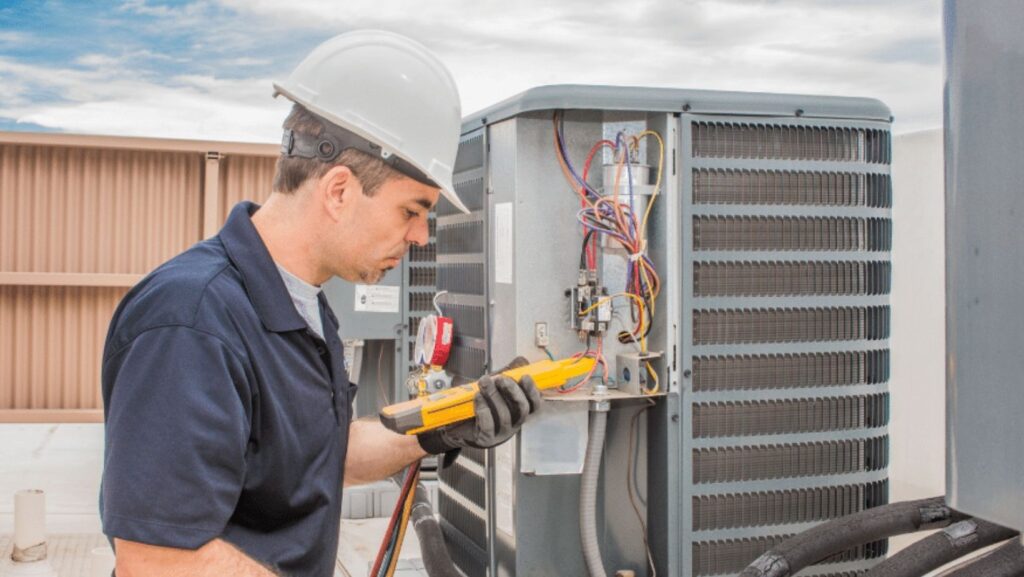
Return-air restrictions can quietly affect almost every aspect of HVAC performance. A system may still produce heating or cooling, yet hidden resistance on the return side can reduce airflow, strain the blower, increase noise, and create comfort problems that seem unrelated at first. Rooms may feel stuffy, temperature swings may become more noticeable, and equipment may run longer without delivering the indoor conditions people expect. That is why HVAC contractors do not look only at the supply side when diagnosing poor performance. They study how air gets back to the equipment, because the return path plays a major role in how well the entire system can move, condition, and redistribute air throughout the home.
Tracking Return Air Resistance
- Static Pressure Readings Show How Hard The Blower Pulls
One of the most common ways HVAC contractors measure return air restrictions is by testing static pressure on the return side of the system. This gives a direct picture of how much resistance the blower is facing while trying to pull air back through the filter, return grilles, ductwork, and cabinet. Contractors use a manometer and insert a test probe into the return plenum or a suitable location near the air handler or furnace. The resulting negative pressure reading indicates whether the return path is relatively open or if the blower is operating against more resistance than it should. A higher-than-expected static reading can point to several issues, including an overly restrictive filter, undersized return ductwork, blocked grilles, collapsed flex duct, or a return configuration that never matched the equipment’s airflow needs. In many service situations involving Local Heating and Cooling Companies Serving in Phoenix, contractors find that what appears to be weak cooling or noisy operation is actually rooted in return-side resistance that limits how much air the blower can draw back through the system.
- Pressure Drops Across Components Reveal Specific Bottlenecks
After measuring overall return static pressure, contractors often narrow the diagnosis by checking pressure drops across individual components. This helps identify exactly where the restriction is concentrated rather than stopping at a general reading. The air filter is a common starting point because even a clean-looking filter can create significant resistance if it is too dense for the system’s airflow needs. Contractors may measure pressure before and after the filter to see how much of the total return burden is being created at that point alone.

They may also measure pressure across filter grilles, return boots, and sections of ductwork leading back to the equipment. This method is useful because the return side may contain more than one contributing issue. A high-efficiency media filter may be adding resistance, but the system may also have undersized return drops or too few return pathways for the home’s layout. Breaking the pressure down by section allows contractors to move from a general suspicion of airflow trouble toward a more specific understanding of where the restriction is forming and how severely it is affecting system operation.
- Airflow Measurements Confirm The Effect Of Return Problems
Pressure measurements tell contractors how much resistance exists, but airflow testing helps confirm what that resistance is doing to the system in practical terms. A return path may seem acceptable in isolation, yet still fail to support the airflow the equipment requires. Contractors often compare return-side pressure findings with total system airflow measurements, supply register performance, and temperature-based operating data to judge whether the restriction is limiting delivered airflow enough to affect heating or cooling. If the blower is pulling against elevated return static and the system airflow is low, the return side becomes a much stronger suspect. Contractors may also compare airflow room by room to see whether certain return pathways are underperforming more than others. In homes with a single central return, they may assess whether distant rooms are effectively feeding air back to that location or whether closed doors and layout conditions are choking circulation. Airflow testing matters because it connects return restriction to real comfort outcomes. It helps contractors show not only that resistance exists, but that it is actively reducing the system’s ability to move the amount of air the equipment was designed to handle.
- Inspection Of Grilles, Filters, And Duct Paths Adds Context
Contractors do not rely on instruments alone when measuring return air restrictions. Visual and physical inspection adds essential context, especially when the restriction is caused by conditions that numbers alone cannot fully explain. Return grilles may be blocked by furniture, covered with dust buildup, or sized too small to handle the amount of air they are expected to move. Filters may be installed incorrectly, bowed inward from suction, or housed in cabinets with transition designs that choke airflow before it reaches the blower. Return ducts may include sharp turns, kinks, crushed flex sections, or panned framing cavities that were never sealed properly. Contractors often inspect attic returns, closet platforms, and wall cavities used as return chases because these areas frequently create hidden limitations. A system can show high return pressure on the meter, but the real value of diagnosis comes from understanding why the pressure is high. The inspection stage helps contractors distinguish between maintenance issues, installation flaws, and building-related conditions that are restricting return air long before the air reaches the equipment itself.
Return Measurements Help Solve The Real Airflow Issue
HVAC contractor methods for measuring return air restrictions go far beyond a glance at the filter. Static pressure readings, component pressure drops, airflow testing, visual inspection, room pressure checks, and equipment behavior all help reveal whether the return side is limiting system performance. These methods matter because return restrictions often hide behind symptoms like uneven comfort, long runtimes, blower noise, or weak airflow at the registers. By carefully measuring the return path, contractors can determine whether the problem stems from maintenance conditions, duct layout, room circulation, or installation design. That makes the repair process more accurate and helps restore the airflow balance the equipment needs to operate more reliably throughout the home.