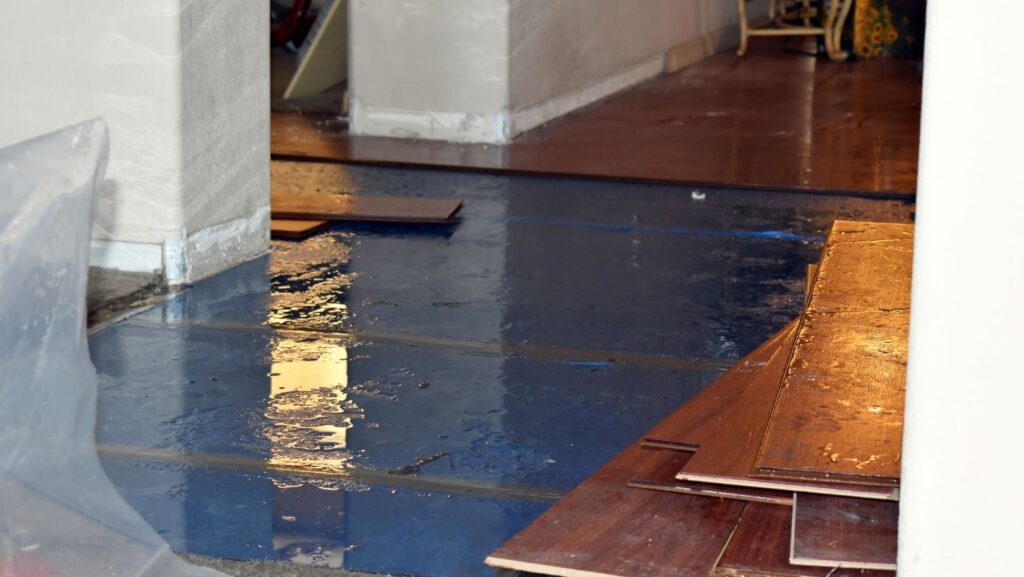
Water damage can develop gradually or appear suddenly, but in many cases, early signs are present long before the issue becomes severe. Recognizing these warning signs can help prevent costly repairs and protect a home’s structural integrity. Moisture can affect walls, ceilings, flooring, and even hidden areas such as insulation and wiring. Because water damage often starts off sight, it is important to stay alert to subtle changes in your home’s condition. By identifying these early indicators, homeowners can take timely action to address problems before they escalate into more serious concerns.
Signs You Shouldn’t Ignore
- Discoloration and Stains on Walls and Ceilings
One of the most noticeable early signs of water damage is discoloration on walls or ceilings. These stains often appear as yellowish or brown patches that gradually spread over time. They may start small but can expand as moisture continues to seep into the material. Leaks from pipes, roofs, or upper floors usually cause these marks. Even if the stain appears dry, it can indicate an ongoing issue that needs attention. In many situations, homeowners seek plumbing help from a local Oceanside plumber to investigate the source of the problem and prevent further damage from developing behind the visible surface.
- Musty Odors and Persistent Damp Smells
A musty smell is often an early indicator of hidden moisture within a home. This odor is typically caused by damp materials that have not fully dried, creating an environment where mold and mildew can develop. The smell may be more noticeable in enclosed areas such as basements, closets, or under sinks. Even if there are no visible signs of water damage, a persistent damp odor suggests that moisture is present somewhere within the structure. Addressing this issue early helps prevent mold growth and protect indoor air quality, making it an important signal not to be ignored.
- Peeling Paint and Bubbling Surfaces
Changes in paint or wall finishes can also indicate water damage. When moisture seeps into walls, it can cause paint to peel, bubble, or crack. This occurs because water disrupts the bond between the paint and the surface beneath it. These changes may appear gradually, often starting in small areas before spreading. In some cases, wallpaper may begin to loosen or develop wrinkles.
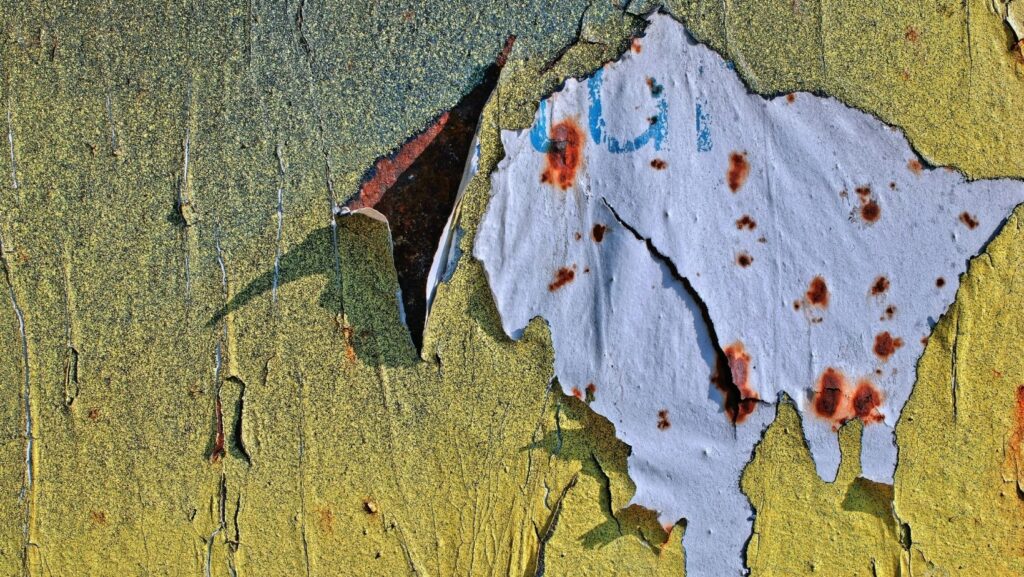
These visual changes are often linked to leaks or high humidity levels within the home. Identifying and addressing the underlying cause helps prevent further deterioration of surfaces and maintains the appearance of interior spaces.
- Warped Flooring and Structural Changes
Flooring materials such as wood, laminate, and even tile can be affected by water damage. Warping, buckling, or uneven surfaces may indicate that moisture has penetrated the flooring. This can occur due to leaks, spills that were not properly dried, or moisture rising from below. Structural changes in flooring not only affect appearance but can also create safety hazards. Walking on uneven surfaces increases the risk of trips and falls. Recognizing these changes early allows homeowners to address the source of moisture and prevent further damage to the flooring and underlying structure.
- Increased Utility Bills Without Clear Cause
An unexpected increase in water bills can be a subtle sign of hidden leaks within a home. Small leaks may go unnoticed for extended periods, gradually increasing water usage. These leaks can occur in pipes behind walls, under floors, or in outdoor plumbing systems. Monitoring utility bills and identifying unusual spikes can help detect issues that are not immediately visible. Addressing leaks early not only reduces water waste but also prevents damage to surrounding materials. This approach helps maintain both the home’s condition and its overall efficiency.
- Mold Growth and Visible Mildew
Mold and mildew are clear indicators of excess moisture and should be addressed promptly. These growths often appear as dark spots or patches on walls, ceilings, or other surfaces. They thrive in damp environments and can spread quickly if conditions remain favorable. Mold not only damages surfaces but can also affect indoor air quality, leading to potential health concerns. Identifying mold early allows homeowners to take steps to remove it and address the underlying moisture problem. Preventing further growth is essential for maintaining a safe and healthy living environment.
Soft or Sagging Areas in Walls and Ceilings
Another warning sign of water damage is soft or sagging areas in walls or ceilings. These areas may feel spongy to the touch and can indicate that moisture has weakened the structural materials. In severe cases, ceilings may begin to sag or bulge, signaling a significant accumulation of water. This condition requires immediate attention, as it can lead to further structural damage or even collapse. Recognizing these signs early helps prevent more extensive repairs and ensures that the home remains safe and stable.
Early detection of water damage is essential for protecting a home and avoiding costly repairs. From visible stains and peeling paint to subtle signs such as musty odors and increased utility bills, each indicator offers valuable insight into potential issues. By paying attention to these warning signs, homeowners can address problems before they escalate and cause more extensive damage. Taking prompt action not only preserves the home’s structure but also maintains a healthy living environment. Staying vigilant and responding to early signs ensures that water-related issues are managed effectively and efficiently over time.