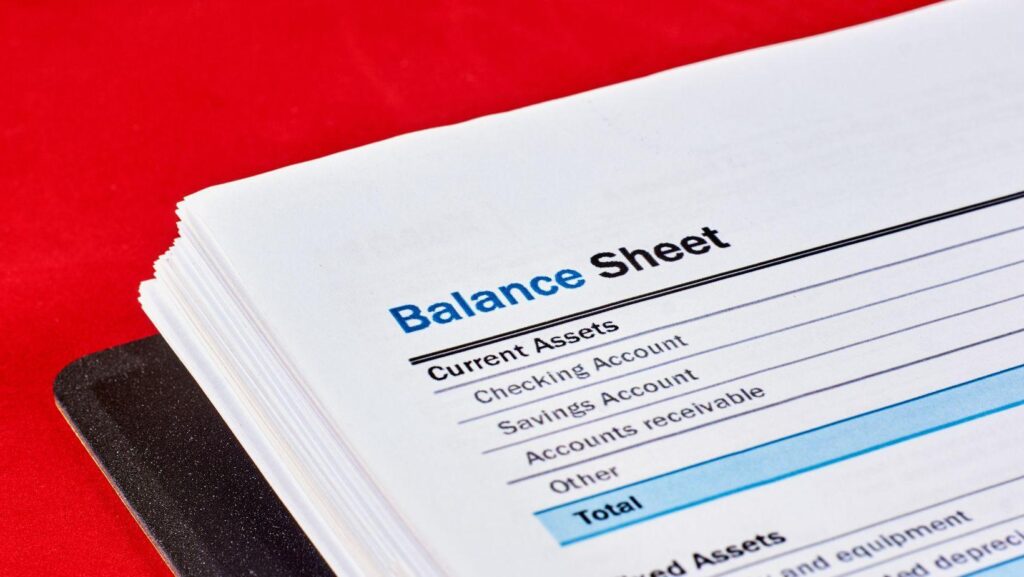
A logo doesn't show up on a balance sheet. Neither does a verification badge, a five-star review widget, or the little padlock icon next to a payment form. Accountants call this the recognition problem. IAS 38 explicitly bars companies from capitalizing internally generated brand value, so the single most persuasive asset a company owns often lives nowhere in its financial statements. Brand Finance has written at length about this gap, and it's not a small one. Some of the world's most valuable companies carry brand equity worth more than their physical assets combined, and none of it appears on the books.
Dean Kaplan made this point on this site a few months back, arguing that a business logo is a financial asset you build once and it compounds. A second piece here extended the idea to casino branding in South Carolina, showing how a recognizable mark drives repeat deposits the same way a recognizable storefront drives repeat foot traffic. Both pieces were right. But neither one answered the harder question: what happens when the trust signal itself might be fake?
That's where this gets interesting, because nowhere is the gap between a badge's appearanceof verification and its actualverification wider than in offshore finance and gaming markets. And nowhere does that gap cost more, in real deposit dollars, when it goes unaddressed.
The Badge Economy Nobody Accounts For
Walk through any fintech onboarding flow and count the trust signals before you hit the sign-up button. SSL padlock. SOC 2 badge. A regulator's name in the footer. A review-site star rating. Each one exists to answer a single unspoken question the user is asking: can I trust this with my money?
World Trademark Review's analysis of brand asset monetization makes a point that applies directly here. Brand assets generate enterprise value precisely because they reduce a buyer's perceived risk before a transaction happens. That risk reduction is measurable. It shows up in conversion rate, in average order value, in retention. It just never shows up on a 10-K.
Feefo's research on financial services reputation goes further, framing trust as something closer to working capital in regulated industries. A reputation-management piece from Feefo notes that in sectors where consumers can't easily verify a provider's legitimacy on their own, third-party validation becomes the deciding factor in whether a transaction happens at all. Read that twice. It's not saying trust helps close the sale. It's saying trust isthe sale, in categories where verification is hard.
Now put a face on that. A digital bank badge that isn't tied to a real audit. A checkout padlock on a site with no actual PCI compliance behind it. These are logos performing a function they haven't earned. And here's the uncomfortable part: performance and substance look identical to a user scrolling on a phone at 11pm. The badge does its job either way, right up until the day it doesn't.
Why the Offshore Layer Makes This Worse
Domestic finance brands operate under a floor. A US bank badge means something because the FDIC backs it. A UK-regulated lender's claims get checked because there's a regulator with teeth watching. The badge is shorthand, but there's a real institution underneath the shorthand.
Offshore operators don't get that floor for free. A logo from a company licensed in a jurisdiction most users have never heard of carries zero inherited trust. It has to earn every ounce of credibility on its own, and it usually tries to do that the cheap way: more badges, more seals, more "as featured in" logos in the footer.
This is exactly the mechanism Kaplan's original piece described in the abstract, playing out at its most extreme. A logo is worth something only if the market believes what it implies. Strip out an inherited regulatory floor, and belief has to come from somewhere else entirely. It has to come from someone actually checking.
That's why, in the offshore casino space specifically, third-party vetting carries more balance-sheet weight than the operator's own branding ever could. A player choosing between platforms with unfamiliar names and unfamiliar licenses isn't relying on the operator's self-description. They're relying on someone independent having already done the legwork on payout speed, license validity, and complaint history. It's the difference between a company saying "trust us" and an outside party saying "we checked, and here's what we found." Operators who understand this treat offshore casinos reviewed by GodisaGeek.com less as competition for attention and more as the exact due-diligence layer that makes their own brand equity defensible. Without it, the badge is just a badge. With it, the badge has something behind it.
The Balance Sheet That Doesn't Exist, But Should
Picture a hypothetical ledger. On one side: logo design cost, review-site placement fees, badge licensing, the marketing spend that got the brand in front of eyeballs in the first place. On the other side: the incremental deposit conversion that trust signals actually produce, which any competent growth team can isolate in an A/B test within weeks.
Nobody files this ledger with the SEC. But every growth marketer at a fintech or gaming company is running a version of it in a spreadsheet, because the return is too large to ignore. A trust badge that lifts sign-up conversion by even two percentage points, on a platform processing meaningful volume, is worth more per year than most of the company's physical office lease. That's not hyperbole. It's just what happens when risk perception moves a needle that big.
The problem operators run into is treating every signal as equally valuable. It isn't. A badge you paid for and control the messaging on is worth less than a review an independent outlet wrote after actually testing withdrawal times. Users have gotten better at telling the difference, even if they can't articulate why. A 2024 Edelman Trust Barometer finding that stuck with me: trust in "the company itself" has been declining for years relative to trust in independent, third-party sources. That's not a gambling-specific trend. It's happening across every category where consumers have been burned by self-serving marketing before.
Getting the Signal-to-Substance Ratio Right
The founders who get this right treat trust signals as a cost center worth investing in properly, not a design line item you knock out in an afternoon. They pay for real audits before they display audit badges. They welcome third-party reviewers rather than only citing the flattering ones. They publish payout data instead of just claiming fast payouts.
The founders who get it wrong collect badges the way some people collect stamps. Impressive at a glance, meaningless under scrutiny. And the market does eventually scrutinize. Complaint forums, subreddit threads, review aggregators, they all exist because users have learned that marketing copy and reality diverge often enough to be worth checking.
If there's one lesson worth carrying out of this, three pieces into the same argument on this site, it's that a brand asset only compounds if it's backed by something real. A logo without substance depreciates the moment someone checks. A logo backed by actual third-party verification, the kind that shows up in an independent review rather than a self-published trust badge, keeps paying dividends long after the design invoice is settled.
Gambling involves risk. Please play responsibly and only wager what you can afford to lose. If you feel gambling is becoming a problem, visit BeGambleAware.org or call 1-800-GAMBLER.
What Trust Signals Actually Cost and Return
Here's the part most founders skip: measuring it. If you're not running conversion tests on your trust signals the same way you test headlines and pricing pages, you're flying blind on what might be your highest-leverage asset. Start small. Test one badge at a time. Track deposit or sign-up conversion for thirty days before you draw conclusions.
The businesses that will win the next decade of consumer finance and gaming aren't the ones with the shiniest logos. They're the ones whose logos can survive somebody actually checking.
Frequently Asked Questions
Why can't companies list brand value as an asset on their balance sheet? Accounting standards like IAS 38 block companies from capitalizing internally generated brand value because it's too subjective to measure reliably. Acquired brands (bought from another company) can be recorded, but a brand you built yourself generally can't, regardless of how much revenue it drives.
How do trust badges actually affect conversion rates? Trust badges reduce perceived transaction risk, which measurably lifts conversion, particularly at checkout or sign-up. The effect is strongest in categories where users can't easily verify legitimacy themselves, which is exactly why finance and gaming brands lean on them so heavily.
Is a self-issued trust badge worth less than an independent review? Generally yes. A badge a company controls and displays itself carries less weight than a review from an outlet with no financial relationship to the company being reviewed. Users have gotten sharper at telling the two apart, even without being able to name why.
What's the fastest way to check if a trust signal is backed by anything real? Look for a named, checkable source behind the claim. A regulator you can look up, an audit firm you can verify, a review site with a visible testing methodology. If the badge only links back to the company's own marketing page, treat it as decoration rather than proof.
Does this apply outside of finance and gaming? Yes, though the stakes scale with how hard it is for a consumer to verify a claim independently. Categories where trust is easy to check (a restaurant, a haircut) rely on badges less. Categories where trust is hard to check (lending, healthcare, offshore platforms) rely on them the most, and get punished hardest when the badge doesn't hold up.