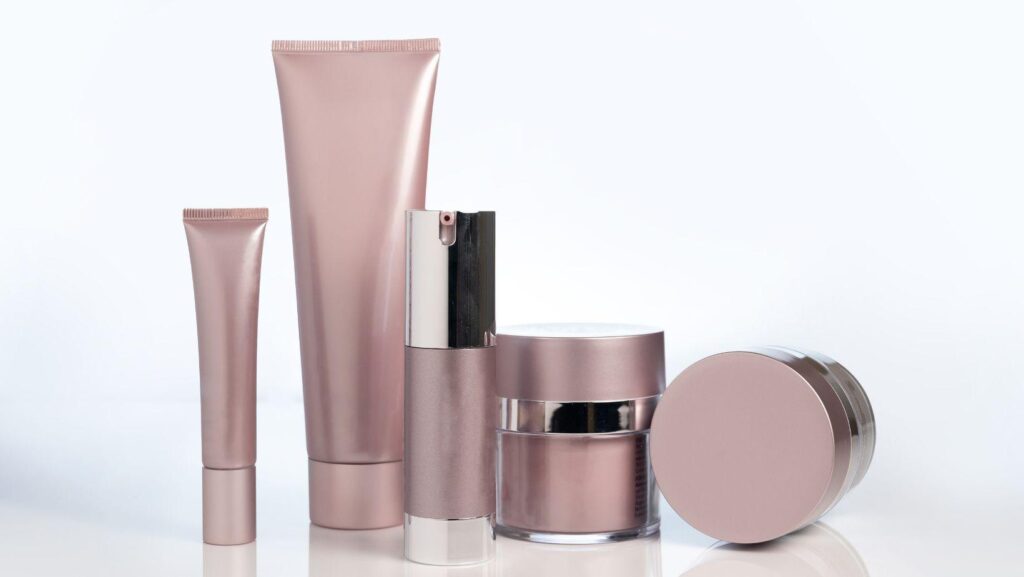
Beauty brands manage highly detailed product information across many digital channels. A single product may include descriptions, benefits, ingredients, usage instructions, shade details, finish types, product sizes, collection names, imagery, tutorial content, customer FAQs, regional versions, and campaign messaging. As the product catalog grows, keeping all of this information consistent becomes increasingly difficult. A product may appear on a brand website, mobile app, retailer page, email campaign, social landing page, loyalty platform, and digital beauty tool at the same time. If each channel is updated separately, mistakes and inconsistencies can appear quickly.
A headless CMS helps beauty brands maintain consistent product information by creating one structured content foundation that can deliver approved product details across multiple platforms. Instead of copying and rewriting product content for every channel, teams can manage content centrally and distribute it through APIs wherever it needs to appear. This improves accuracy, reduces duplicated work, supports localization, and helps customers receive the same reliable product information across every touchpoint. For beauty brands that rely on trust, visual quality, and clear product education, consistent content is essential for creating stronger digital shopping experiences.
Creating One Central Source for Product Information
One of the biggest challenges beauty brands face is content fragmentation. Product information may be stored in ecommerce systems, spreadsheets, shared folders, product databases, campaign documents, and regional files. Check it out to understand how a more structured content approach can help beauty brands keep product information consistent across websites, retailer feeds, campaigns, and mobile experiences. Additional information can also help teams understand how centralized content management reduces duplication, simplifies updates, and improves consistency across every customer touchpoint. When teams rely on several sources, it becomes difficult to know which version is correct. A moisturizer description may be updated on the main website but remain outdated in a retailer feed. A lipstick shade name may change in one campaign but not in the mobile app. These small inconsistencies can create confusion for customers and extra work for internal teams.
A headless CMS helps solve this by creating one central source for product content. Product names, descriptions, benefits, images, usage guidance, ingredients, shade data, and related content can all be managed in one structured system. From there, the same approved information can be delivered to websites, apps, emails, product pages, and campaign experiences. This gives teams more control and helps ensure that every channel reflects the latest product details.
Reducing Duplicate Content Across Sales Channels
Beauty brands often sell through many channels at once. A product may appear on the brand’s own store, marketplace pages, retail partner sites, social commerce campaigns, mobile apps, and promotional landing pages. If each channel requires separate content input, teams may end up duplicating the same descriptions, product benefits, ingredient explanations, and visual assets many times. This creates a high risk of outdated or inconsistent information.
A headless CMS reduces duplication by allowing teams to create reusable content components. Instead of rewriting a product benefit or usage instruction for every platform, the content can be stored once and distributed wherever it is needed. A cleanser description can appear on a product page, skincare routine guide, email campaign, and app recommendation module from the same source. When the content changes, teams update the central entry instead of searching through every channel manually. This saves time, improves accuracy, and makes product information easier to manage at scale.
Keeping Product Descriptions Aligned Across Platforms
Product descriptions are a key part of the beauty shopping experience. Customers depend on them to understand what a product does, who it is for, how it feels, and why it may be right for them. If descriptions differ from one platform to another, customers may become unsure about the product’s purpose. A serum might be described as lightweight on one page, deeply nourishing in another campaign, and balancing in a retailer listing, creating an unclear message around the product.
A headless CMS helps brands keep descriptions aligned by storing approved copy in structured fields. Teams can manage short descriptions, long descriptions, campaign summaries, and channel-specific versions while keeping them connected to the same product entry. This gives flexibility without losing control. A mobile app may need a shorter description, while a full product page may need more detail, but both can still reflect the same approved product positioning. This creates a more consistent brand experience across every digital touchpoint.
Managing Ingredients and Formula Information More Accurately
Ingredients and formula details are especially important in beauty, particularly for skincare, haircare, and body care products. Customers may look for specific ingredients, avoid certain components, or compare formulas before making a purchase. If ingredient information is inconsistent across platforms, customers may lose trust or feel uncertain about the product. This is why ingredient content must be managed carefully and updated reliably.
A headless CMS helps beauty brands structure ingredient information in a more accurate way. Key ingredients, full ingredient lists, ingredient benefits, formula claims, and related educational content can be managed as separate fields. This makes it easier to update one detail without rewriting the entire product page. Ingredient explainers can also be reused across several products that share similar components. For example, if multiple products include the same hydrating ingredient, the brand can maintain one approved explanation and connect it to each relevant product. This improves consistency and makes ingredient education easier to scale.
Supporting Consistent Shade and Variant Details
Shade and variant information can be difficult to manage because beauty products often come in many options. Foundations, concealers, lipsticks, eyeshadows, blushes, and hair color products may include shades, undertones, finishes, sizes, and formats. If these details are not structured consistently, customers may struggle to compare options or select the right product. A missing swatch, inconsistent shade description, or outdated variant name can create friction in the buying journey.
A headless CMS helps brands manage variants as connected content. The main product can contain shared information such as formula, benefits, usage instructions, and campaign story, while each variant can include unique details such as shade name, undertone, finish, swatch image, size, scent, or availability. This structure helps teams avoid repeating shared information while still giving each variant the detail it needs. Customers benefit from clearer product choices, and brands gain a more reliable way to manage large shade ranges and product families.
Improving Visual Consistency Across Product Pages
Beauty products depend heavily on visuals. Customers want to see packaging, swatches, textures, model images, application examples, lifestyle photography, and tutorial videos before deciding whether to buy. If visual assets are managed separately from product content, teams may accidentally use outdated images, mismatched swatches, or inconsistent campaign visuals across channels. This can weaken the product experience and make the brand feel less polished.
A headless CMS helps organize visual assets by connecting them directly to product entries. Each product can include approved images, swatches, videos, captions, alt text, campaign visuals, and platform-specific asset versions. This makes it easier for teams to use the correct visuals across websites, apps, emails, landing pages, and retailer content. When new product photography is added, it can be connected to the product once and reused across multiple channels. This creates a more consistent visual identity and helps customers feel more confident when exploring beauty products online.
Making Product Updates Faster and More Reliable
Beauty product information changes often. Brands may update product names, add new claims, revise usage instructions, adjust availability, launch new shades, update images, or improve ingredient explanations. If every update must be made manually across several systems, the process becomes slow and risky. One platform may be updated immediately, while another continues showing old content.
A headless CMS makes updates faster by allowing teams to edit product information centrally. When a change is made to a product entry, connected platforms can receive the updated content through APIs. This does not mean every update must go live instantly without review. Teams can still use workflows and approval stages to check content before publication. The key advantage is that updates are no longer scattered across disconnected systems. This makes it easier to keep product information current, especially during launches, seasonal campaigns, reformulations, collection updates, or regional rollouts.
Supporting Localization Without Losing Consistency
Beauty brands that sell internationally need product information that feels local and accurate. Product descriptions, ingredient explanations, shade names, measurements, usage instructions, and campaign messaging may need to be translated or adapted by market. However, localization can create inconsistency if each region manages content separately. One market may update a product description while another continues using an older version.
A headless CMS supports localization by connecting global and regional content versions within the same structure. Global teams can define the approved core product information, while local teams adapt language, market-specific details, product availability, and regional messaging. This allows brands to maintain consistency while still giving each market room to communicate naturally. If the global product description changes, teams can identify which localized versions need review. This makes international product content easier to manage and helps customers receive accurate information in their own language and market context.
Improving Collaboration Between Beauty Teams
Maintaining consistent product information requires collaboration between several teams. Product development teams manage formulas, ingredients, sizes, shades, and claims. Marketing teams create product stories, campaign copy, and launch messaging. Ecommerce teams manage product pages, filters, and shopping experiences. Creative teams manage images and videos, while regional teams handle localization. If these teams work in separate systems, product content can easily become inconsistent.
A headless CMS gives these teams a shared workspace for managing product information. Each team can contribute to the same product entry while working within defined roles and permissions. Product teams can own factual details, marketing teams can refine descriptions, creative teams can attach approved visuals, and regional teams can localize content. Workflows can guide content through draft, review, approval, and publication stages. This makes collaboration more organized and reduces the risk of conflicting updates. A shared system helps beauty brands maintain consistent product information while still allowing each team to contribute its expertise.
Connecting Product Content With Education and Tutorials
Beauty customers often need more than product details. They may want to know how to apply a product, where it fits in a routine, what ingredients do, how to choose the right shade, or what products work well together. If educational content is disconnected from product information, customers may struggle to find helpful guidance at the right moment. This can weaken product discovery and reduce confidence before purchase.
A headless CMS helps connect product content with education and tutorials. A product entry can link to how-to videos, routine guides, ingredient explainers, shade matching articles, FAQs, and related looks. These connected resources can appear across product pages, campaign hubs, apps, emails, and recommendation modules. Because the relationships are structured, teams can reuse educational content across multiple relevant products without duplicating work. This creates a more consistent and helpful experience. Customers receive the same product guidance across channels, while teams maintain a clearer system for managing beauty education content.
Conclusion
Headless CMS helps beauty brands maintain consistent product information by creating a centralized, structured, and scalable way to manage content across digital channels. Beauty catalogs can be complex, with many product categories, ingredients, shade ranges, variants, images, tutorials, regional versions, and retail requirements. When this information is managed manually or across disconnected systems, inconsistencies can appear quickly and damage the customer experience.
By centralizing product content, reducing duplication, supporting structured variants, organizing visual assets, enabling localization, improving collaboration, and delivering content through APIs, a headless CMS gives beauty brands stronger control over product information. Customers benefit from clearer descriptions, accurate ingredient details, consistent visuals, reliable shade information, and helpful education across every touchpoint. Internal teams benefit from faster updates, smoother launches, and fewer manual errors. As beauty brands grow across markets and digital platforms, headless CMS architecture provides the foundation needed to keep product information accurate, consistent, and ready for the future.