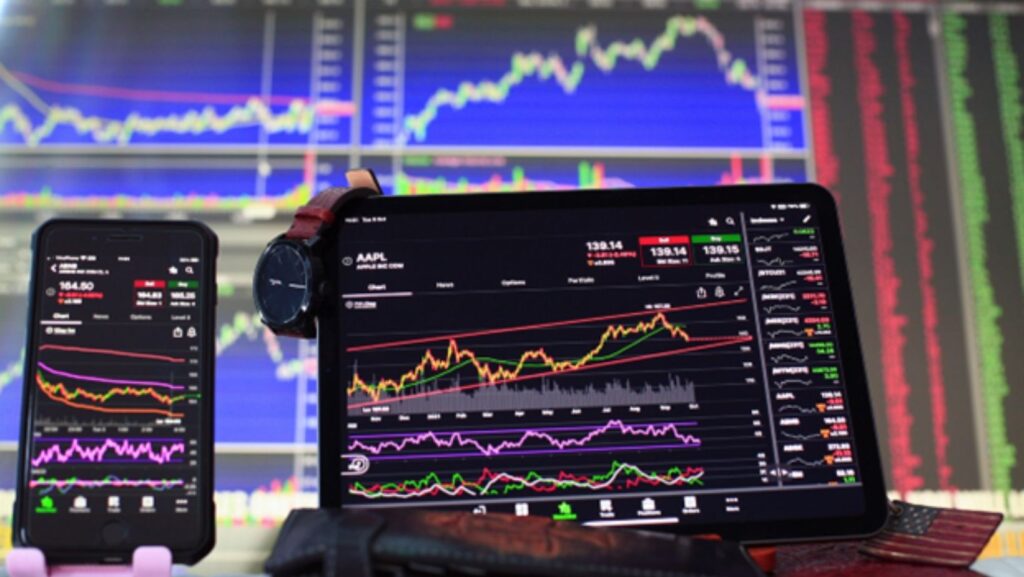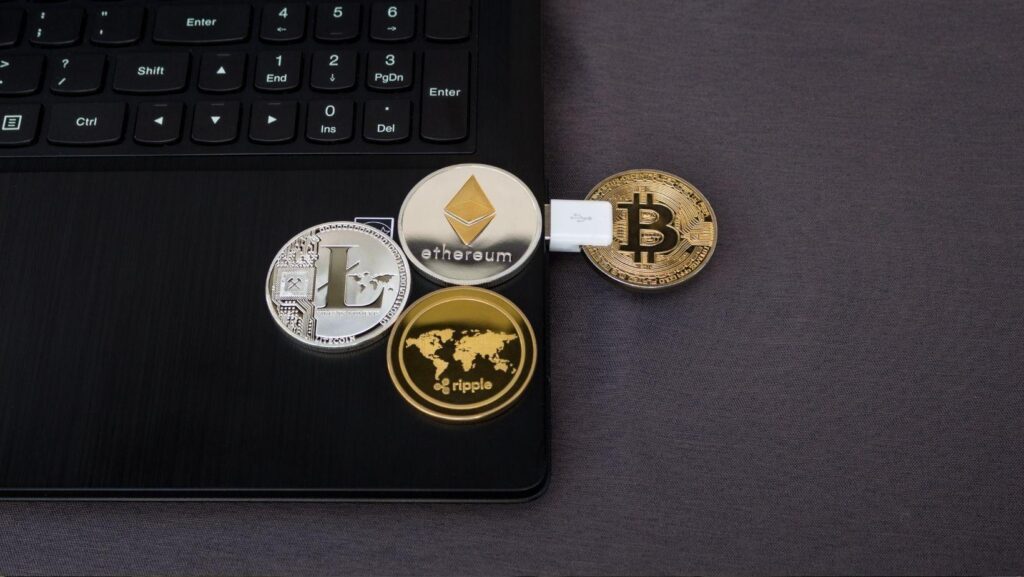
A look at the crypto market shows that it is extremely different to the one that investors remember from just a few years ago. Yes, price volatility is still part of the sector, but now there is more to crypto than pure speculation. Institutional investment, clearer regulation, and the growth of stablecoins are all helping to push developments within the industry.
Bitcoin and Ethereum continue to dominate headlines, but investors are paying much closer attention to infrastructure, compliance and practical blockchain applications than they did during previous market cycles. Governments are also now introducing more comprehensive regulatory frameworks. This is giving businesses and larger financial institutions greater confidence to participate.
Institutional Money Continues To Shape The Market
Perhaps the biggest trend seen in 2026 so far has been the continued arrival of institutional investors. We have seen large financial firms, hedge funds, and asset managers now treating crypto as more than just a niche asset.
Now, many of these see digital assets as another part of a diverse investment portfolio. The expansion of regulated investment products means that access is now much easier for traditional investors. There have also been improvements in custody services, which have reduced many of the operational concerns that used to limit participation.
Recent investment activity also highlights this move. Traditional financial firms continue investing directly into crypto businesses, reflecting growing confidence that blockchain technology will remain part of the wider financial system rather than a temporary trend.
Stablecoins Have Become More Important
Stablecoins were once seen as just a convenient way to move money between exchanges, but this has now changed. In 2026, they have become a massively important part of global payments, treasury management, and cross-border settlements.
Businesses benefit from the ability to transfer value at speed without the need to worry about usual banking hours. Financial institutions are also looking at stablecoins for settlement processes as they are able to reduce delays while holding their value more than other, more volatile cryptocurrencies.
Regulators have also paid greater attention to this area. New rules covering reserve requirements, transparency and consumer protection are helping create more confidence among businesses considering stablecoin adoption.
Regulation Is Becoming Clearer
For years, regulatory uncertainty was one of the biggest barriers to mainstream crypto adoption. That situation is gradually changing.
For a long time, regulatory uncertainty was the biggest barrier to mainstream adoption. This is now starting to change. In Europe, MiCA provides a detailed framework for crypto asset service providers, while the UK and US have also introduced rules covering exchanges, custody providers, and stablecoin issuers.
Although regulations differ between jurisdictions, the overall direction has become more consistent. Governments generally appear focused on reducing fraud, improving transparency and protecting consumers while still allowing innovation to continue.
Tokenisation Is Expanding Beyond Cryptocurrency
Tokenised real-world assets have seen real growth through 2026. Rather than being solely about digital currencies, blockchain technology is being used more and more to represent ownership of assets. These include government bonds, money market funds, commodities, and property interests.
Many financial institutions believe tokenisation could improve settlement efficiency, reduce administrative costs and increase market accessibility. Although adoption remains at an early stage in many sectors, analysts expect continued expansion over the coming years as infrastructure improves.
Bitcoin Remains The Market Benchmark
While digital assets have seen intense diversification, it is still Bitcoin that dominates the overall direction of the market. Whenever there is movement with Bitcoin, it impacts investor sentiment across pretty much all cryptocurrencies. In 2026 so far, macroeconomic events, inflation, and geopolitical developments have all affected periods of volatility.
Rather than reacting purely to crypto-specific news, investors are increasingly analysing interest rates, central bank policy and broader economic indicators when making investment decisions. This reflects how closely digital assets have become linked with traditional financial markets.
Artificial Intelligence And Blockchain Continue To Overlap
Artificial intelligence is now one of the fastest-growing technology sectors. This has led to blockchain companies looking at just how AI can be incorporated into their products. Some are using AI to increase fraud detection and analytics. Others are exploring automated compliance tools that can help financial institutions to meet their regulatory obligations.
Blockchain itself also provides infrastructure for verifying digital ownership and transactions, making it attractive for applications involving AI-generated content and decentralised computing resources.
Blockchain Adoption Continues Beyond Finance
Financial services remain blockchain’s largest use case, but adoption is expanding into many other industries. Supply chain management, digital identity verification, healthcare record management and intellectual property protection are all seeing increased blockchain experimentation.
Governments are also exploring blockchain infrastructure for public sector applications, while businesses continue testing ways to improve transparency and efficiency through distributed ledger technology.
Many of these developments receive less media attention than cryptocurrency prices but may ultimately have a greater long-term economic impact.
Digital Assets And Online Entertainment
The relationship between blockchain technology and online entertainment is continuing to grow in 2026.
Digital payments, blockchain verification and cryptocurrency transactions have become increasingly common across several online sectors. As a result, interest has also increased in services such as crypto casino platforms, where users choose to deposit and withdraw using digital currencies instead of traditional payment methods. As with any online financial activity, users should ensure platforms operate within applicable regulations and understand the risks associated with cryptocurrency price volatility before using digital assets.
Final Thoughts
The cryptocurrency market in 2026 has matured considerably compared with previous years. While volatility has certainly not disappeared, the industry’s development is now being driven by stronger fundamentals rather than speculation alone.
Institutional participation, regulatory progress, stablecoin adoption and tokenisation are all reshaping how digital assets fit into the wider financial system. At the same time, blockchain technology continues to find practical applications across industries beyond finance.
For investors, businesses and technology companies alike, understanding these broader market trends is becoming increasingly important. Rather than focusing solely on daily price movements, many participants are now watching how regulation, infrastructure and real-world adoption continue to shape the next stage of cryptocurrency’s development.