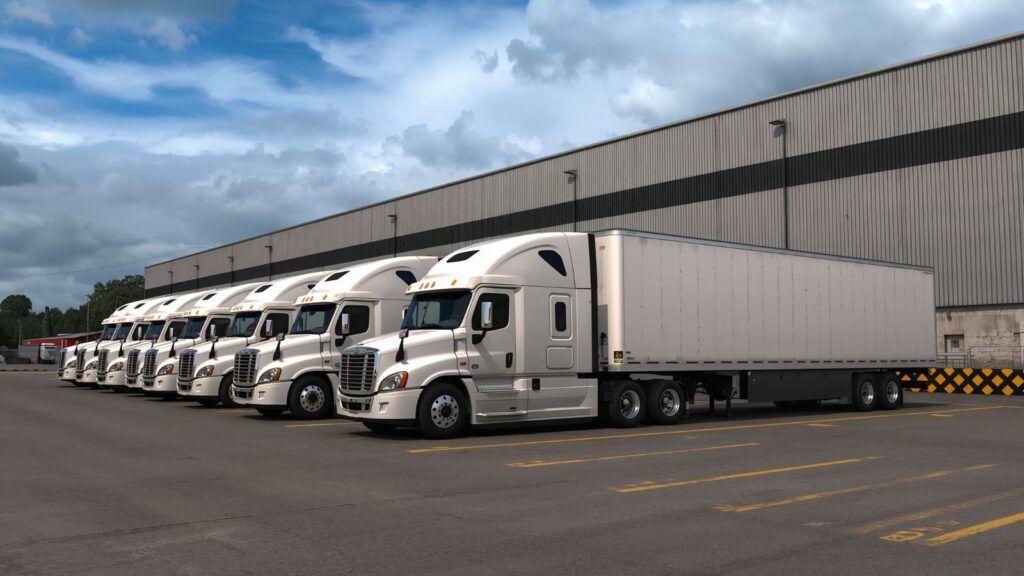
For businesses that rely on commercial vehicles, efficiency is about far more than fuel economy. Every improvement in vehicle design can help reduce operating costs, improve productivity, increase uptime, and make life easier for drivers. Modern commercial trucks are evolving rapidly, combining advanced technology with practical innovations that help businesses get more from every mile.
Whether operating a small fleet or managing dozens of vehicles, these developments are changing how companies approach transportation and daily operations.
Smarter Powertrains Reduce Operating Costs
Modern commercial trucks are benefiting from more efficient engines, improved transmissions, and advanced fuel management systems. These improvements help businesses lower fuel consumption while still providing the torque and towing capacity needed for demanding workloads.
Many manufacturers are also introducing hybrid and electrified options for businesses with routes that suit alternative powertrains, providing additional opportunities to reduce long-term running costs.
Connected Fleet Technology Improves Decision Making
Commercial vehicles are becoming increasingly connected. Telematics systems now allow fleet managers to monitor vehicle location, fuel usage, idle time, driver behavior, and maintenance schedules in real time.
Rather than reacting to problems after they occur, businesses can identify inefficiencies early and make informed decisions that improve productivity across the fleet. Connected fleet services are becoming a key part of helping businesses streamline operations.
Predictive Maintenance Minimizes Downtime
Unexpected breakdowns are costly for any business. Modern trucks use onboard sensors to monitor engine performance, fluid levels, braking systems, and other critical components.
By identifying potential issues before they become major repairs, businesses can schedule maintenance at convenient times, reducing disruption and helping vehicles stay on the road longer.
Driver Assistance Systems Improve Safety
Commercial trucks now include many of the advanced safety features previously found only in passenger vehicles. Adaptive cruise control, blind spot monitoring, forward collision warning, automatic emergency braking, and lane departure alerts all help reduce the likelihood of accidents.
Safer vehicles protect drivers while also reducing repair costs, insurance claims, and operational interruptions.
Upfit Flexibility Supports Different Industries
Today’s commercial trucks are designed with customization in mind. Chassis cab models, cargo vans, and work trucks can be fitted with specialized bodies and equipment for construction, landscaping, electrical work, plumbing, delivery services, telecommunications, and many other industries.
This flexibility allows businesses to purchase vehicles that match their exact operational requirements rather than adapting their workflow around standard vehicle designs.
Improved Cab Design Supports Driver Comfort
Drivers who spend hours behind the wheel benefit from better-designed interiors. Modern commercial trucks offer supportive seating, improved climate control, quieter cabins, larger infotainment displays, and ergonomic controls that reduce fatigue throughout the working day.
Comfortable drivers are often more productive, more focused, and better equipped to handle long shifts safely.
Digital Tools Simplify Fleet Management
Many manufacturers now integrate digital platforms that help businesses schedule servicing, monitor diagnostics, track maintenance history, and manage multiple vehicles from a single dashboard.
These systems reduce paperwork, improve communication between drivers and fleet managers, and provide valuable insights that help businesses optimize vehicle usage over time.
Choosing the Right Commercial Vehicle Matters
Efficiency starts with selecting the right truck for the job. Payload requirements, towing capacity, cargo space, expected mileage, and potential upfits should all influence purchasing decisions. Businesses looking for Ram commercial trucks Palmdale can explore configurable commercial vehicles that can be tailored to meet a wide variety of operational needs, helping companies invest in equipment that supports both current workloads and future growth.
Closing Remarks
Commercial trucks are becoming smarter, safer, and more efficient with every new generation. From connected fleet technology and predictive maintenance to flexible upfits and improved driver comfort, today’s work vehicles are designed to help businesses reduce costs while improving productivity.
For organizations that depend on reliable transportation every day, investing in modern commercial trucks isn’t simply about replacing aging vehicles. It’s about equipping the business with technology and capabilities that support greater efficiency, stronger performance, and long-term success.