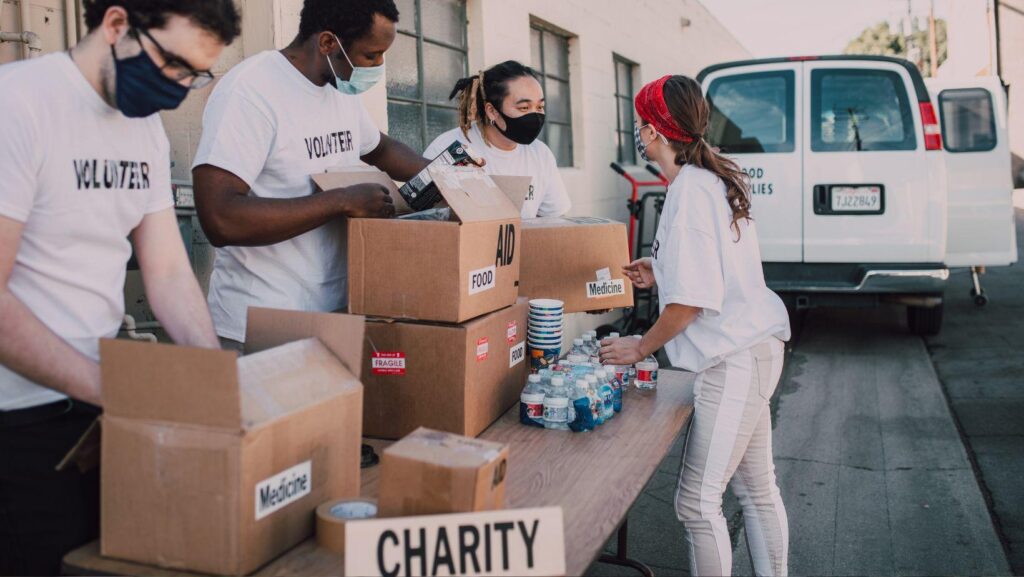
Volunteers are often the quiet force behind many of the services people rely on every day. From emergency support and community programs to rescue services and local events, countless organisations depend on people who give up their time to help others. Yet their contribution is easy to overlook because so much of it happens behind the scenes.
Many people assume volunteers simply show up and help, but there is often far more involved. Training, equipment, travel, and ongoing resources all play a role in keeping volunteer programs running smoothly. That is one reason many people choose to donate to SLSA volunteer surf lifesavers or support other volunteer-led organisations through fundraising, donations, or community initiatives that help cover important costs.
If you have ever benefited from a local service, attended a community event, or felt safer knowing support was nearby, there is a good chance volunteers played a role in making it possible.
Volunteers strengthen communities
Communities tend to feel stronger when people are willing to step up and support one another. Volunteers often fill important gaps that would otherwise place greater pressure on already stretched services.
Many organisations rely on people who are prepared to dedicate evenings, weekends, or spare time to helping others. Without those efforts, some services would struggle to operate at the same level or remain available to the public.
Supporting volunteers helps strengthen the systems that many people depend on without even realising it.
Time is valuable, but support can take many forms
Not everyone has the time to volunteer regularly, and that is perfectly understandable. Busy schedules, work commitments, and family responsibilities can make it difficult to give up hours each week.
The good news is that helping does not always mean volunteering directly. Financial support, fundraising participation, sharing awareness, or even attending community events can all contribute to keeping volunteer programs running.
Small actions from many people often create meaningful long-term support.
Volunteer organisations face real costs
People sometimes forget that volunteer-led services still require funding to operate effectively.
Equipment, training, insurance, facilities, and safety resources all come with costs. Even when volunteers donate their time, organisations still need reliable support to maintain quality services and respond when needed.
Helping cover those expenses allows volunteers to focus on the work they do best.
Support creates a ripple effect
When volunteers are properly supported, communities benefit in ways that are not always immediately visible.
Stronger volunteer organisations often lead to safer environments, better local services, and more support during important moments. People helping people creates a ripple effect that reaches further than most realise.
Supporting volunteers does not require grand gestures. Even small contributions can help ensure valuable services continue helping communities for years to come.