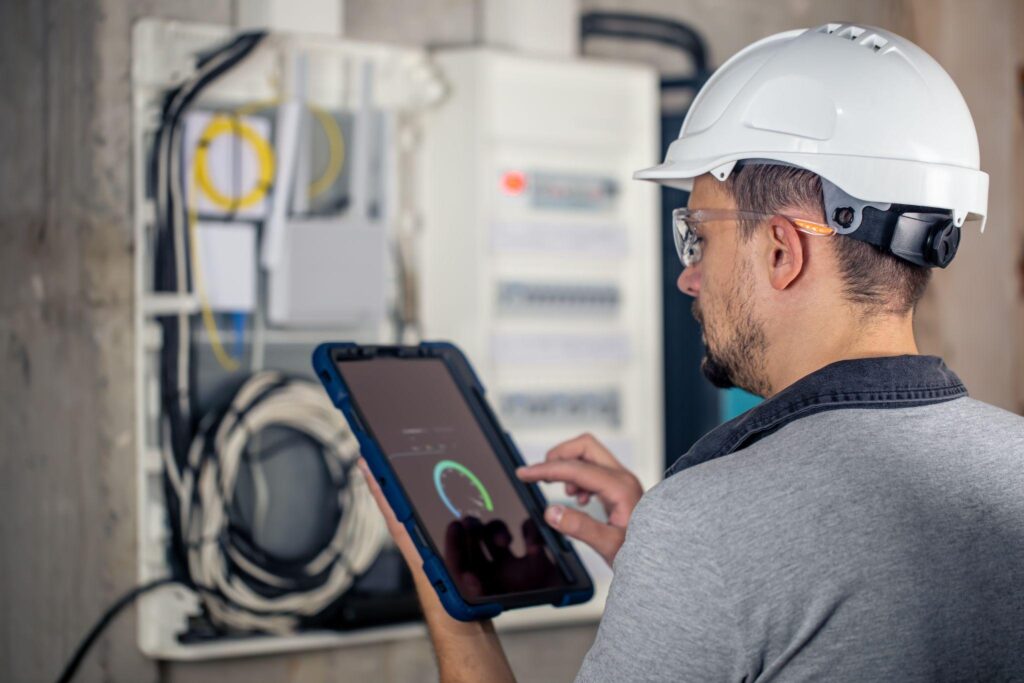
Contractors who handle HVAC, plumbing, and electrical work, companies offering services like Fuse Service business electrical services, will tell you the same thing if you ask them long enough: most of the problems they find weren’t surprise failures. They built up slowly. Nobody caught them because nobody looked. That pattern shows up constantly in workplace fires, blown equipment, and shutdowns that cost way more than any inspection would have.
Running a business means electrical systems are just… there. Background noise. Until they aren’t. Starting with a solid commercial electrical inspection checklist puts you ahead of that moment — before it turns expensive or dangerous.
Why Electrical Inspections Are Critical for Business Safety
One of the main causes of fires in business buildings is always faulty wiring. Not infrequently, but consistently, year after year. There were warning indicators in the majority of those incidents, but nobody was looking for them; they went unnoticed.
The risks go beyond fire. Voltage irregularities damage sensitive equipment. An injured employee creates liability. An unplanned outage kills a full day of operations. An electrical inspection for businesses isn’t box-checking, it’s just smart ownership.
Legal and Code Compliance Requirements
Here’s something a lot of owners don’t realize until it’s too late: non-compliance doesn’t just mean a fine. It can void your insurance coverage entirely. The National Electrical Code, local building authorities, and OSHA all have their own electrical inspection requirements, and they don’t always overlap neatly.
A restaurant kitchen faces stricter standards than a general office. A medical facility has requirements that neither of those has. The electrical inspection requirements for your building depend on your occupancy type, your state, and how old the structure is. Find out what applies and keep the documentation.
Complete Commercial Electrical Inspection Checklist
A proper walkthrough should hit all of these:
Panel and Wiring
- Panel clearly labeled, breakers not double-tapped
- No burn marks, corrosion, or heat damage inside the box
- Insulation on all wiring intact — no exposed conductors
- Grounding and bonding confirmed
Outlets, Switches, and Fixtures
- GFCI protection wherever water is nearby
- Outlets grounded, polarity correct
- No cracked faceplates or missing covers
- Fixtures mounted securely, no flickering or odd sounds
Emergency Systems
- Exit lighting functional and tested
- Smoke detectors are current, fire alarm system is serviced
- Emergency disconnects are labeled and easy to reach
Load and Capacity
- No extension cords are being used as permanent wiring solutions
- Heavy equipment, HVAC, and refrigeration on dedicated circuits
- Panel load reviewed against what’s actually running in the building
Common Electrical Issues Found in Commercial Buildings
Aluminum wiring shows up in a lot of buildings from the 60s and 70s. It expands and contracts with use, connections loosen, and over time, that becomes a real fire risk, one that looks completely fine on the surface. Outdated panels are another one. Federal Pacific and Zinsco brands have a well-documented history of failing to trip when they’re supposed to. Some are still in service right now.
Office environments get hit with overloaded circuits constantly. The layout was designed before everyone had multiple monitors, space heaters, and a pile of USB chargers running simultaneously. It adds up faster than people expect.
Benefits of Regular Electrical Inspections for Businesses
There’s the obvious safety argument, but inspections also catch waste. Degraded connections and aging wiring pull more power than they should. Fixing that often offsets the cost of the inspection within months.
Insurance is another angle worth thinking about. Some commercial policies have documentation requirements, and if you ever file a claim, that paperwork matters. Beyond that, employees notice when a workplace takes safety seriously. It affects how people feel about showing up.
How Often Should Businesses Schedule Electrical Inspections?
The majority of commercial properties get standard inspections every three to five years. Restaurants, hospitals, and manufacturing facilities are examples of higher-demand settings that require it more frequently—sometimes annually.
Don’t wait for the scheduled date if something’s off. Recurring tripped breakers, lights that flicker without explanation, a faint burning smell near the panel, those aren’t quirks. Get someone in.
In Conclusion
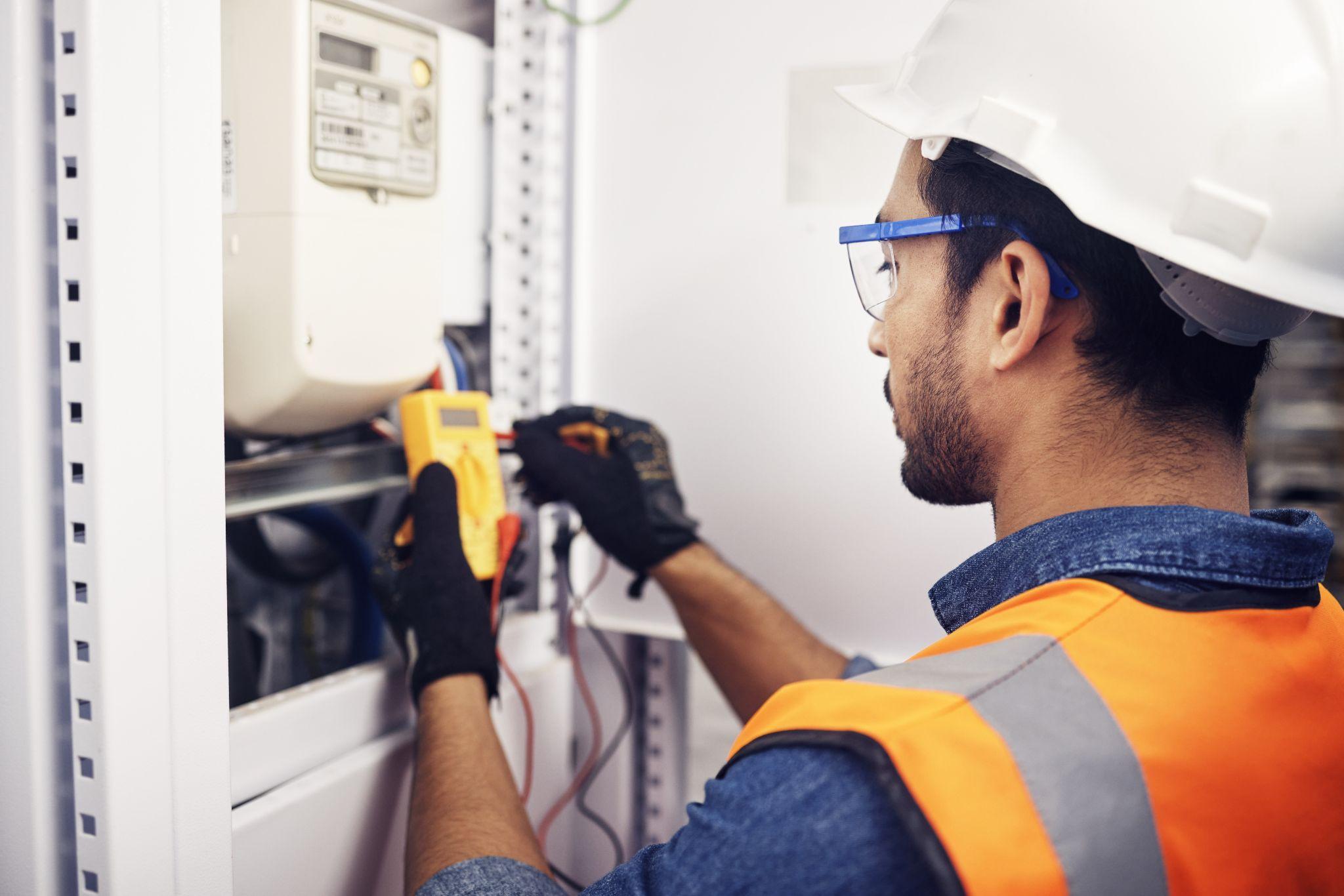
Pick up the commercial electrical inspection checklist above and actually walk through your building with it. Be honest about what you see. Anything flagged goes to a licensed commercial electrician — not a handyman, not a YouTube tutorial. That’s really all it takes to stay ahead of the problems that quietly become catastrophic ones.