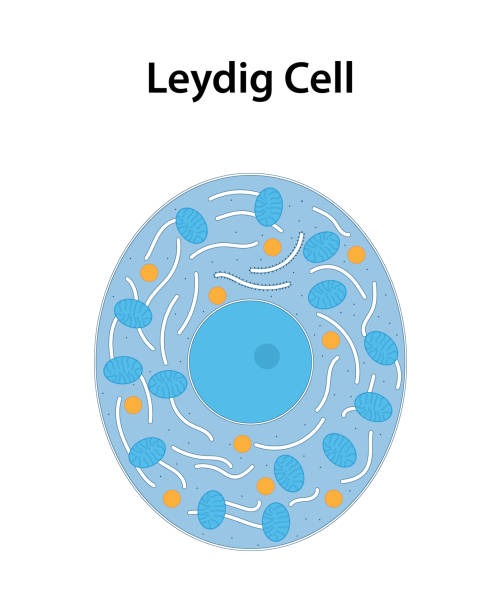
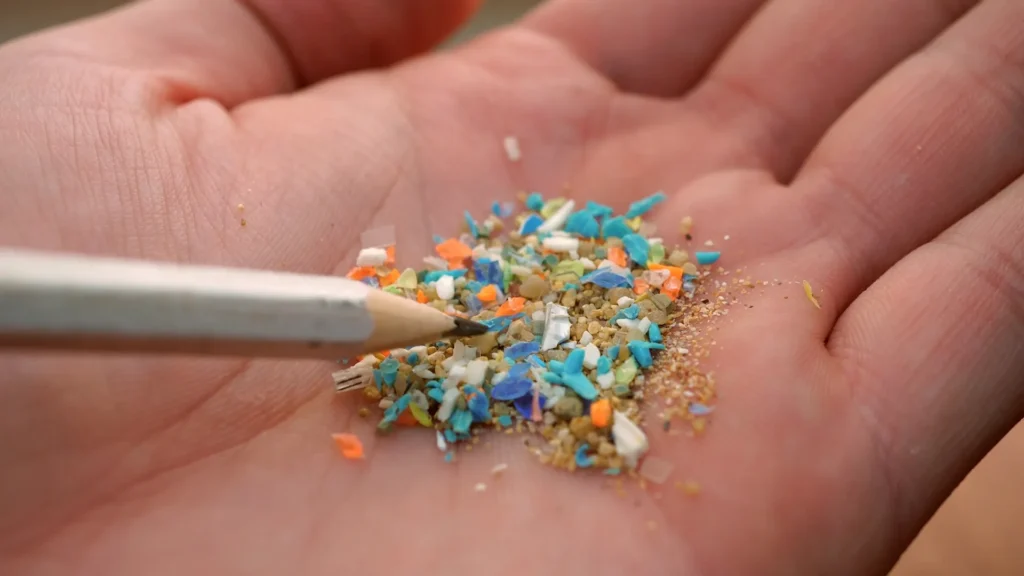
Microplastics are small plastic particles found almost everywhere today. According to a recent study, on average, each person consumes about the amount of plastic the size of a credit card. These plastic pieces come from packaging waste, clothes, and broken plastic items. People swallow and inhale them without realizing it, and over time, these particles accumulate in our bodies. Scientists are now studying the impact of microplastics on human health, and male hormones are among the most pressing areas of concern. Leydig cells play a significant role in this process, which is why understanding this issue is essential to protect men’s long-term health.
What Are Leydig Cells?
Leydig cells are located in the testes and produce testosterone in the male body. Testosterone supports muscle strength, mood, and energy. Leydig cells respond to almost every signal from the brain; they help maintain hormone balance, as health and damage to these cells can affect hormone levels.
Why are Leydig Cells Important for Men?
Leydig cells provide mental and physical well-being, which influences confidence, focus, and strength. This results in healthy cells that help maintain reproductive health. But when these cells are damaged or struggle, symptoms might slowly appear. Lifestyle choices strongly affect hormone balance, sleep supports hormone recovery and production, and exercise enhances hormonal signalling.
Nutrition plays a central role, and whole foods naturally reduce chemical intake. Most men are now looking for medical support for balancing hormones. Online testosterone therapy must be discussed with medical healthcare professionals under proper care.
How Microplastics Enter the Human Body?
Microplastics enter the body through air, water, food, and plastic containers and bottles. These plastics release tiny particles that are invisible to the human eye. According to the latest stats, seafood contains more microplastics than other foods. Synthetic clothing also releases plastic fibers during washing, which easily enter water systems.
What Happens After Microplastics Enter the Body?
Microplastics can move through body tissues, and most particles carry harmful chemicals on their surfaces. Such chemicals might disturb and damage hormone signalling because the body struggles to remove every particle. This allows slow accumulation over most years.
Hormonal and Microplastics Disruption
Most plastics contain hormone-disrupting chemicals that affect testosterone production. Leydig cells are sensitive to chemical signals, and prolonged exposure might reduce overall efficiency.
Signs of Possible Hormonal Changes
Hormonal changes slowly appear, and men ignore early warning signs. The following signs might have different causes, and medical testing is always required:
- Decreased focus and motivation.
- Mood irritability and changes.
- Reduced muscle strength over time.
- Lower energy during everyday activities.
Animal studies have also begun showing hormone changes after plastic exposure, with researchers observing lower testosterone levels in most cases. Cell function appears weaker after long-term exposure. Since human research is still developing, early findings have raised concerns among scientists worldwide, making awareness and prevention vital.
Conclusion
Microplastics might affect the cells responsible for male hormone production. Leydog cells are sensitive to chemical disruption; this is why long-term exposure must be taken seriously. Reducing plastic contact benefits, supporting hormonal health, and making informed choices help safeguard wellbeing in the coming years.