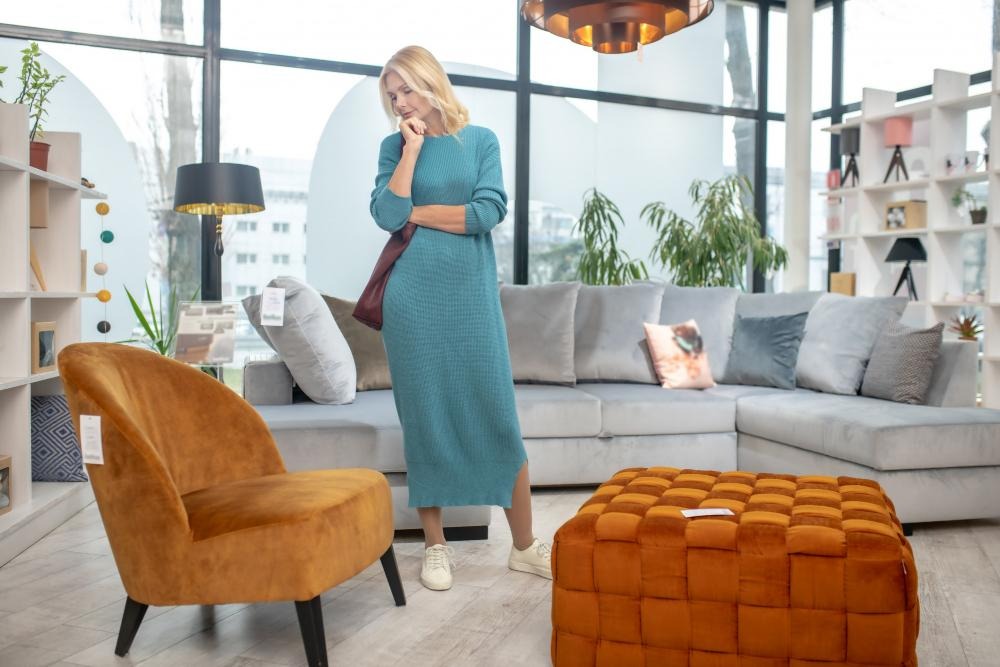
Luxury and small spaces are not mutually exclusive. In fact, thoughtfully designed compact interiors often showcase some of the most sophisticated and intentional furniture choices. For urban homeowners and condo dwellers, the challenge lies in selecting high-end furniture that delivers both elegance and efficiency—without overwhelming the space.
The key to success is not downsizing luxury, but redefining it through proportion, functionality, and visual balance. With the right approach, even the most compact rooms can feel refined, comfortable, and undeniably upscale.
Choosing Multifunctional Luxury Pieces
In small spaces, every piece of furniture must earn its place. Multifunctional luxury furniture allows homeowners to maintain a high-end aesthetic while maximizing usability.
Examples include:
- Sofas with integrated storage or sleeper functionality
- Extendable dining tables with seamless mechanisms
- Ottomans that double as seating, storage, or accent tables
What distinguishes luxury multifunctional furniture from mass-market alternatives is design integrity. High-end pieces conceal their functionality elegantly—mechanisms are smooth, materials remain premium, and proportions stay balanced. The result is furniture that adapts to daily needs without sacrificing style.
Understanding Proportion and Scale in Compact Rooms
One of the most common mistakes in small interiors is choosing furniture that is either too bulky or too visually insignificant. Luxury furniture for compact spaces should feel intentional and well-scaled, not cramped or sparse.
Key principles include:
- Prioritizing slimmer silhouettes with refined detailing
- Selecting furniture with exposed legs to create visual lightness
- Avoiding oversized armrests, thick backs, or excessive ornamentation
Contrary to popular belief, small spaces benefit from fewer, higher-quality pieces rather than many small items. A single statement sofa or sculptural dining table can anchor a room far more effectively than multiple undersized elements competing for attention.
Visual Strategies to Create Openness
Beyond physical dimensions, visual perception plays a major role in how a space feels. Strategic use of color, materials, and finishes can significantly enhance the sense of openness.
Effective strategies include:
- Light, neutral palettes that reflect natural light
- Glossy, lacquered, or glass surfaces that add depth
- Mirrors or reflective materials to visually expand the room
Luxury interiors often rely on tonal harmony rather than contrast. Soft variations within the same color family—creams, taupes, warm greys—create cohesion and sophistication while keeping the space airy and uncluttered.
Material Choices That Elevate Without Overpowering
Material selection is where luxury truly reveals itself. In compact spaces, refined materials should add richness without visual heaviness.
Ideal materials include:
- Fine-grain woods with matte or satin finishes
- Leather or premium fabrics in light or mid-tone hues
- Metal accents usare ed sparingly for contrast and structure
The goal is to layer textures subtly. Smooth leather paired with warm wood, or soft upholstery contrasted with metal accents, adds depth without overcrowding the space.
Mobilart: Luxury Solutions Designed for Real Living
At Mobilart, luxury furniture is curated with both aesthetics and lifestyle in mind—making it particularly well-suited for small, sophisticated interiors. Our collections emphasize refined proportions, thoughtful craftsmanship, and versatile designs that adapt seamlessly to urban living.
Whether it’s a streamlined sectional, an extendable dining table, or a sculptural accent piece, we offer solutions that respect spatial constraints while elevating the overall design. Their selection allows homeowners to invest in fewer, better pieces—each chosen for its beauty, durability, and functionality.
Conclusion
Selecting luxury furniture for small spaces is about intentionality. By focusing on multifunctionality, proper scale, and visual openness, compact interiors can feel expansive, refined, and deeply personal. With carefully chosen high-end pieces, small spaces don’t just accommodate luxury—they showcase it.