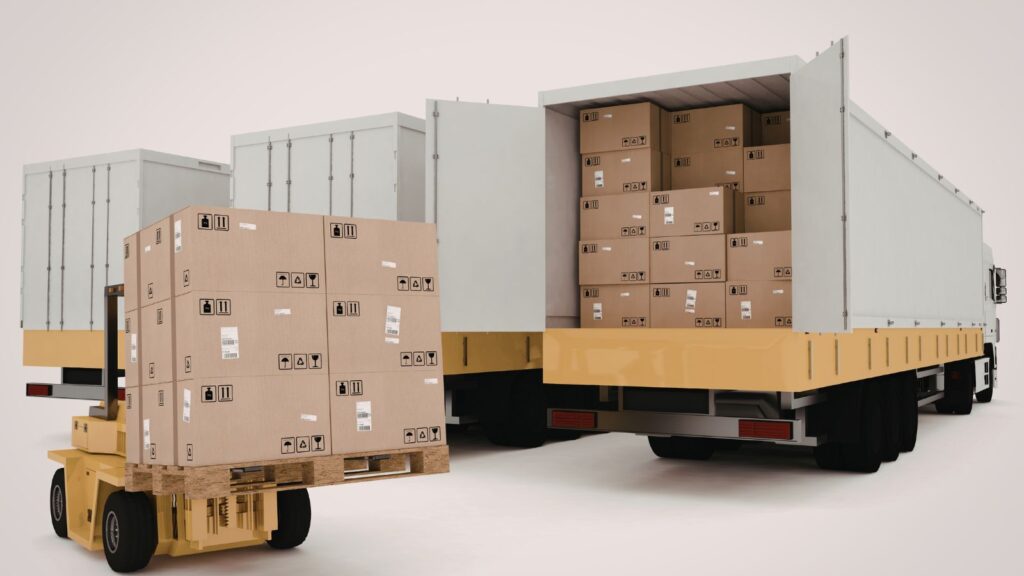
In the competitive world of e commerce, a successful transaction extends far beyond the moment a customer clicks “buy.” The true test of a modern business lies in the complex journey that follows—the journey of the package itself. For too long, shipping was viewed as a mere cost center, a necessary backend operation. Today, that perspective is not just outdated; it’s a strategic liability. The new currency of logistics isn’t just speed, but intelligence. It’s the transformative power of data and analytics, turning every shipped package, every delivery route, and every customer interaction into a source of actionable insight.
By harnessing this data, businesses can move from reactive problem solving to proactive optimization. This isn’t about chasing vague notions of improvement; it’s about implementing a guided, evidence based strategy that enhances every link in your supply chain. From the warehouse floor to the customer’s doorstep—and even into your future growth plans—data provides the map. Let’s explore how you can use analytics to refine your fulfillment, fortify customer loyalty, and chart a smarter course for expansion.
1. Optimizing the Core: Data Driven Fulfillment
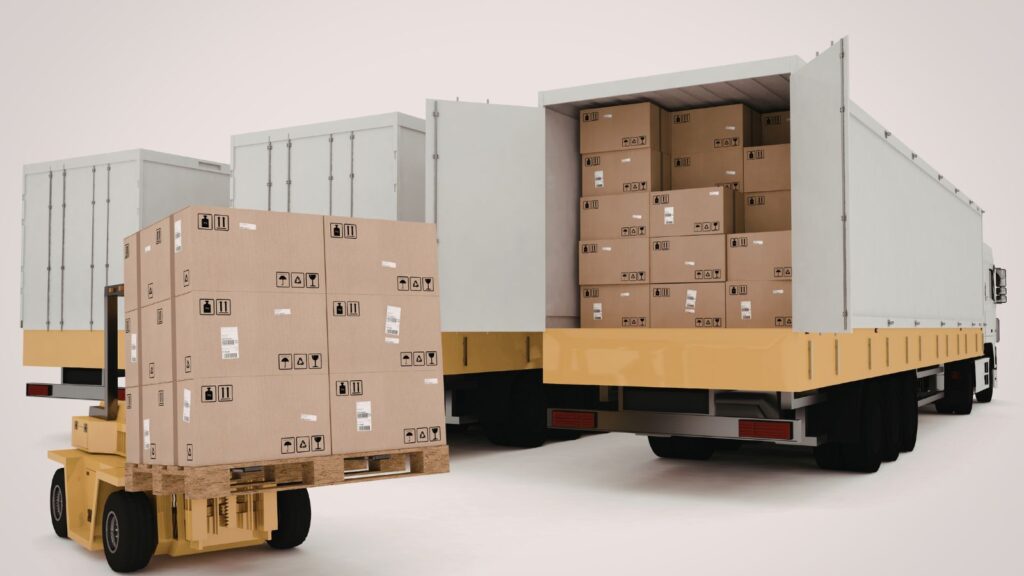
The heart of your shipping operation is fulfillment. Here, intuition must be replaced by information. Data analytics provides a granular, real time view of your operational efficiency, revealing hidden bottlenecks and unlocking significant cost savings.
The first critical application is in inventory placement and warehousing. By analyzing sales data, you can identify your best selling SKUs (Stock Keeping Units) and their primary delivery destinations. Advanced analytics platforms can then recommend—or even automate—the strategic positioning of this inventory across fulfillment centers. Placing best sellers closer to your highest density customer bases slashes transit times and shipping costs. This is the principle behind distributed inventory, and it’s driven entirely by sales and geographic data.
Next, carrier performance analysis moves you beyond guesswork. Every carrier provides data, but are you synthesizing it? By creating a simple dashboard that tracks on time delivery rates, first attempt delivery success, damage rates, and cost per package by shipping lane and service level, you gain immense leverage. You may discover Carrier A is 99% reliable for 3 day deliveries to the East Coast but inconsistent for 2 day to the Midwest, where Carrier B excels. This data allows you to create intelligent, automated shipping rules that select the optimal carrier for every single order, balancing cost, speed, and reliability.
Furthermore, predictive analytics can forecast demand surges with remarkable accuracy. By factoring in historical sales trends, seasonality, marketing campaigns, and even broader economic indicators, these systems can predict what you’ll need to sell and ship next week, next month, or next quarter. This prevents two major headaches: stockouts that lead to delayed shipments and disappointed customers, and overstocking that ties up capital and increases storage fees.
Implementing this level of analytical rigor internally requires significant investment in software and expertise. For many businesses, especially those navigating complex marketplaces, the faster path to a data optimized operation is through a partner with these systems already deeply integrated. This is where leveraging professional Amazon order fulfillment services can be a strategic accelerant. These specialists have built their entire operation around the analytics of speed and efficiency, offering businesses immediate access to a level of data driven logistics that might otherwise take years to develop in-house.
2. Beyond the Delivery: Analytics for Customer Experience & Retention
A package delivered is not a journey concluded; it’s a critical data point in the customer experience lifecycle. The post purchase phase is rich with information that, when analyzed, can directly boost retention and lifetime value. Shipping performance is a primary driver of customer sentiment, and data here is your direct line to understanding it.
Start with the straightforward metrics: delivery performance data. Your on time delivery (OTD) rate is a fundamental KPI, but dig deeper. Track the percentage of packages that require multiple delivery attempts, or those that experience “last mile” delays. Correlate this data with customer service ticket volume. You’ll often find a direct relationship between delivery hiccups and a surge in “Where is my order?” (WISMO) inquiries. Improving these metrics through the fulfillment optimizations discussed earlier directly reduces support costs and builds trust.
However, the true goldmine is in customer feedback and review analysis. What are customers saying specifically about the shipping experience? Phrases like “arrived early,” “packaged perfectly,” or conversely, “box was damaged,” “took longer than promised,” are direct report cards on your logistics. Manually reading through hundreds or thousands of reviews to find these insights is an impossible task. This is where sentiment analysis and natural language processing (NLP) become invaluable.
By employing an AI powered Google review management software, you can automate this process. Such tools can scan your reviews across platforms, flagging all mentions related to shipping, packaging, and delivery. They can quantify sentiment, alert you to negative trends in real time, and even categorize feedback by specific issue (e.g., “late delivery,” “damaged product”). This transforms subjective comments into an objective, prioritized action list for your logistics team. If 15% of negative reviews this month cite “crushed box,” you have a clear, data backed packaging problem to solve. This closes the feedback loop, allowing you to continuously refine the post purchase experience based on what customers are actually saying.
3. From Insights to Expansion: Guiding Your Growth Strategy
The power of shipping and customer data isn’t confined to operational tweaks; it can illuminate the path for strategic business growth. The patterns hidden within your logistics metrics can reveal where to expand, what to sell next, and how to talk to new audiences.
First, geographic data analysis is a powerful tool for physical expansion. Where are your orders clustering? Mapping your customer zip codes might reveal an underserved but high potential region. This data can justify the business case for partnering with a new fulfillment center in that geographic zone to offer faster, cheaper shipping, effectively opening up a new market. Conversely, it might show that a significant portion of your shipping cost is consumed by serving a remote, low density area, prompting a review of your shipping fee structure for those zones.
More intriguingly, customer and sales data can signal opportunities to diversify into new verticals or communities. Perhaps your analytics reveal a subset of customers who consistently buy high value, tech adjacent products and have extremely high lifetime values. This demographic often overlaps with early adopters in other digital spheres. Engaging these audiences requires more than just logistical prowess; it demands cultural fluency and trusted voices.
For instance, if data suggests an appetite for innovative digital goods, exploring adjacent markets like cryptocurrency or digital assets could be a logical brand extension. Successfully entering such a nuanced space requires building credibility within a dedicated community. This is where traditional marketing often falls short, and strategic collaboration shines. Partnering with a top crypto influencer marketing agency can provide the authentic entry point. These agencies don’t just offer reach; they provide access to trusted voices who can interpret your brand’s value proposition—including its reliable shipping and customer service to a new, highly engaged audience, transforming logistical strength into a compelling market entry advantage.
Conclusion: Shipping as a Strategic Data Hub
The journey from “order placed” to “order delight” is no longer a black box. It is a transparent, data generating pipeline that holds the keys to efficiency, loyalty, and growth. By implementing a culture of data analytics in your shipping operations, you stop merely reacting to problems and start anticipating opportunities.
You begin by optimizing the core using data to place inventory intelligently, choose carriers scientifically, and forecast demand accurately. You then extend that analysis to the customer’s voice, using advanced tools to listen at scale and turn feedback into tangible improvements. Finally, you let these accumulated insights guide your broader vision, identifying new markets and engaging new communities with precision.
In today’s landscape, shipping is not a cost center; it is a strategic data hub. The businesses that will thrive are those that connect the dots from warehouse efficiency metrics to customer sentiment scores to geographic sales trends. They understand that every delivered package carries not just a product, but a payload of information. By learning to decode it, you guide your shipping from a basic function to a foundational driver of your brand’s future.