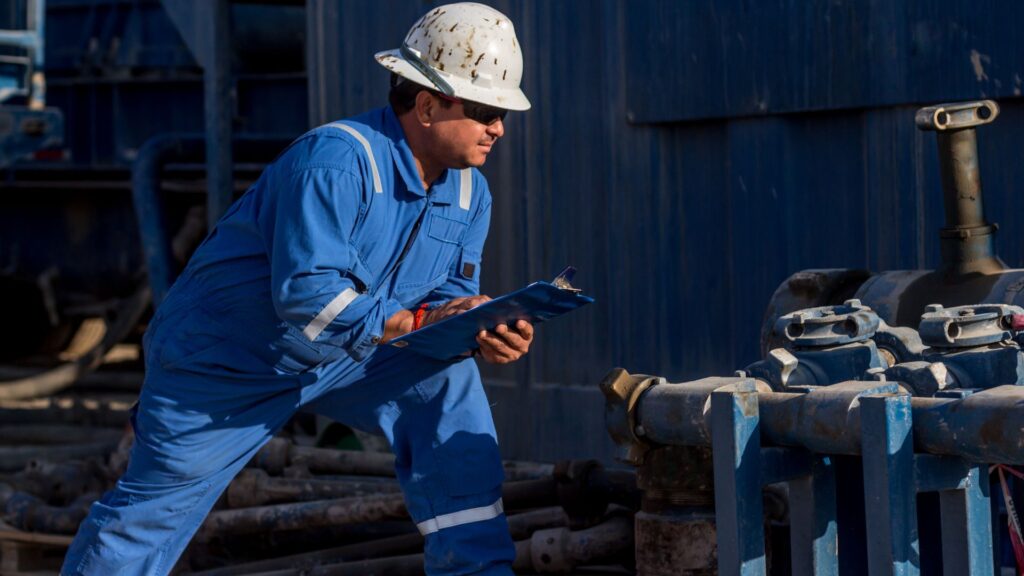
The oilfield sector, which includes everything from drilling and fracking sites to midstream service operations, is consistently ranked among the most dangerous industries in the world. While dramatic, high-profile blowouts capture headlines, the majority of severe and fatal incidents arise from what are considered routine, everyday tasks.
Oilfield operations are inherently dangerous, with workers regularly exposed to high-pressure equipment, heavy machinery, and toxic materials. The sheer physical forces involved in pulling pipe, handling high-pressure fluids, or operating heavy vehicles on rough terrain ensure that a momentary lapse in concentration or a minor equipment failure can have life-altering consequences. There is no simple, safe way to extract energy resources from the ground.
Legal investigations into oilfield accidents often focus on the failure of employers to enforce safety protocols during these common, repetitive tasks. It is often the complacency surrounding the routine that proves most deadly.
Heavy Machinery and Equipment Exposure
Oilfield workers are in constant proximity to some of the heaviest, most powerful machinery used in any industry. This includes massive rigs, cranes, pumps, and specialized vehicles designed to withstand extreme forces. This daily exposure to heavy equipment is a core component of oilfield work dangers.
Common injuries result from crush accidents, where workers are caught between pipes, moving equipment, or vehicles. Tasks like “tripping pipe” (lowering and raising the drill string) or handling heavy valves require precise coordination, and an error of inches can result in severe trauma, including amputations or spinal injuries.
The continuous operation of this equipment—often 24 hours a day in all weather—also increases the likelihood of maintenance failure. Worn cables, faulty brakes on heavy trucks, or neglected safety guards on machinery can easily turn routine work into a lethal hazard.
How Environmental Conditions Add Danger
Unlike most industries, oilfield work is heavily dictated by harsh and variable environmental conditions, which add significant layers of danger to routine tasks. Work often takes place in remote, isolated locations, making emergency response slower and more difficult.
Workers frequently contend with extreme heat, causing heat exhaustion and reducing cognitive function, or frigid temperatures, leading to slips on icy surfaces and difficulties handling sensitive equipment with gloves. These conditions increase the chance of human error during critical procedures.
Furthermore, the work environment is inherently slick and unstable due to mud, oil, or chemical spills. Slips, trips, and falls—which would be minor in a different environment—become severe trauma risks when they occur near rotating machinery or heavy tools, contributing significantly to oilfield work dangers.
How Minor Errors Escalate Quickly
In the oilfield, the consequences of a minor mistake are often catastrophic due to the high-pressure and volatile nature of the materials involved. A simple procedural error during a routine task can quickly escalate into a blowout, fire, or toxic gas leak.
For example, a failure to properly monitor pressure gauges during a drilling operation—a standard task—can lead to an uncontrolled release of gas. Similarly, a minor mistake in connecting a high-pressure hose can result in a sudden, violent discharge of fluid, causing immediate trauma or chemical burns.
The reliance on team coordination also means one worker’s momentary distraction can endanger the entire crew. In this high-stakes environment, the routine need for speed and efficiency often overrides the critical need for deliberate safety checks.
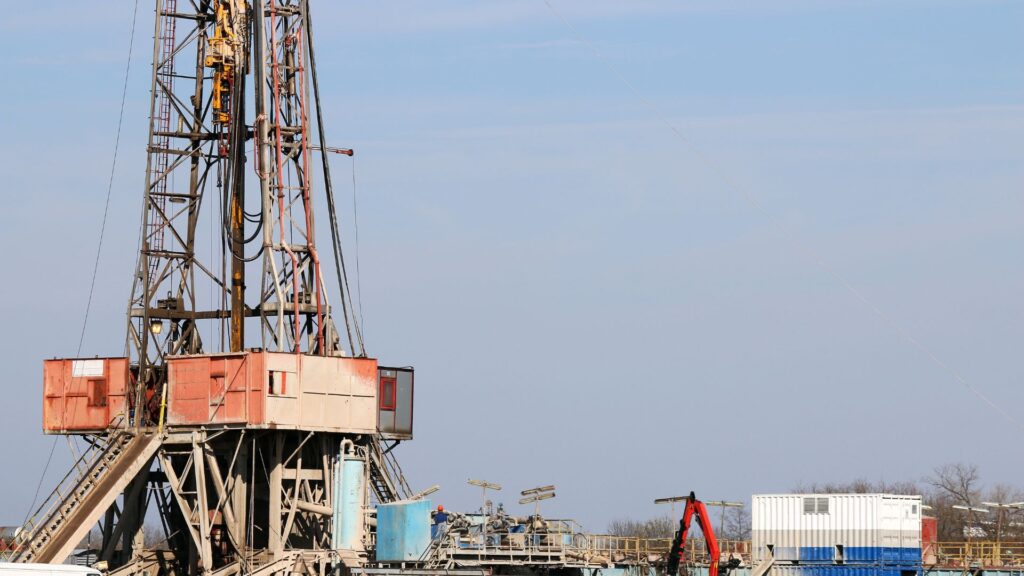
Injury Patterns Common in Oilfields
The injury patterns resulting from oilfield work dangers are highly specific and often severe. Traumatic brain injuries (TBIs) and spinal cord injuries are common due to falls from platforms or heavy impacts from equipment.
Amputations and degloving injuries frequently occur when workers get caught in machinery like tongs, belts, or drilling lines. Chemical exposure injuries, including respiratory failure or severe dermal burns, result from leaks or spills of drilling muds, caustic chemicals, or hydrogen sulfide gas.
The severity of these injuries ensures that oilfield accident claims are high-value and complex, often falling under specialized maritime law (like the Jones Act) or requiring extensive investigation into OSHA and company-specific safety violations.
Why Constant Risk Is Unavoidable
Routine tasks in the oilfield are not routine in the traditional sense; they are repeated, necessary procedures that must be executed daily amidst extreme oilfield work dangers—heavy equipment, harsh environments, and volatile materials. The energy pulled from these sites belongs to someone, and much of it sits under privately held ground passed down through families, where people who hold value of mineral rights in North Dakota often choose to sell those interests to a buyer rather than carry the operational risk themselves.
The constant risk is unavoidable, but the accidents themselves are often preventable through proper training, maintenance, and rigorous enforcement of safety protocols.
For injured workers, holding the employer accountable for negligence during these daily procedures is the key to securing lifelong compensation for their severe and permanent injuries.