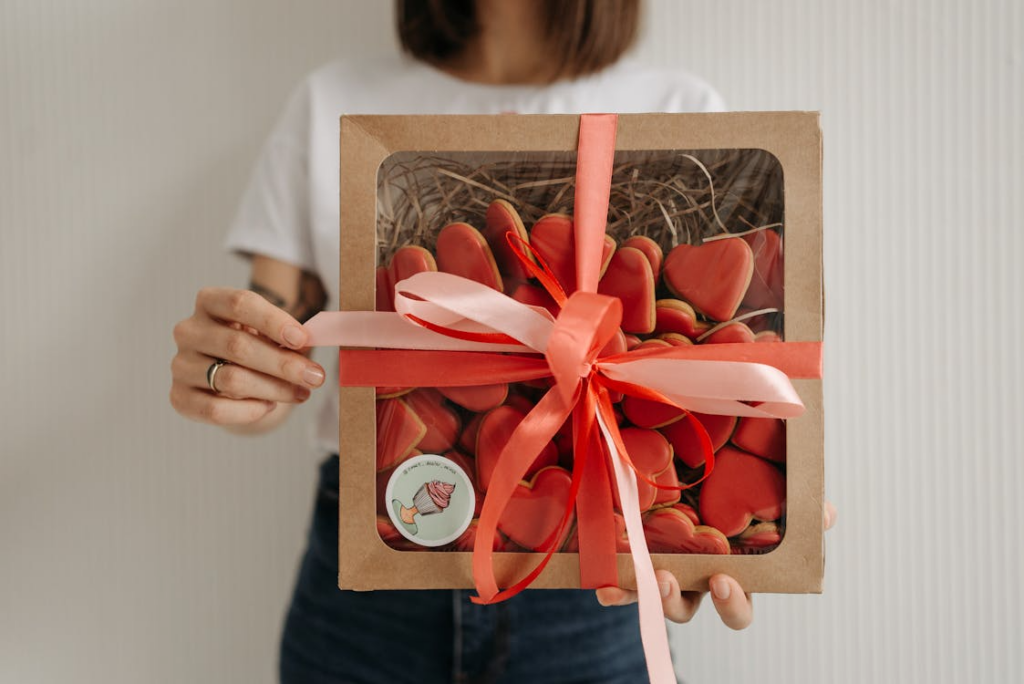
Sending food to relatives or friends overseas can feel thoughtful, especially when the items represent home or personal traditions. Many people in the US send snacks, homemade treats, or regional brands abroad, but when it comes to delivery to Belgium, there are specific rules worth understanding before preparing the parcel.
Regulations, packaging, and shelf life all influence whether food arrives safely and without delays. One service that helps simplify the process is Meest-America, and on https://us.meest.com/services/service/delivery-to-belgium senders can create a shipment online, fill in the necessary information, and track the parcel digitally. With the logistics aspect organised, attention can shift toward compliance with food shipping rules.
Know What Types of Food Can Actually Be Shipped
Belgium follows EU guidance on goods entering from outside the bloc, which means food must meet general safety requirements. Dry and sealed products are much easier to ship than homemade or perishable foods. When food poses a risk of spoiling, leaking, or melting, it often triggers delays or additional inspection at customs.
In most cases, the best items to send include sealed packaged snacks, small shelf-stable dry ingredients, or long-life food products. These items typically move through customs with minimal review and maintain quality throughout transport.
Sending homemade food, fresh goods, or anything that requires refrigeration increases the chance of being stopped at customs. Even if the intention is honest, customs authorities may hold the parcel, require disposal, or return it to the sender.
Understand Shelf Life and Packaging Requirements
When shipping food abroad, the main concern is whether the item remains fit for consumption throughout its journey. Long transit times, handling temperature changes, and customs inspections all influence the quality of food products. For that reason, it is worth checking expiry dates before choosing what to include.
Shelf-stable products travel best when they remain protected against moisture, pressure, and temperature changes. Instead of relying on the original store packaging alone, some senders reinforce boxes to protect the contents and prevent accidental tearing.
Here are common packaging considerations before shipping food items to Belgium:
- Choose foods with a long unopened shelf life.
- Keep everything sealed in the original manufacturer’s packaging.
- Avoid fragile wrappers that tear easily under pressure.
- Use external padding to keep packages from crushing inside the box.
- Add a barrier layer to separate food from other items inside the parcel.
Preparing items in this way reduces the risk of product damage and prevents spillage, which customs authorities take seriously.
How to Avoid Delays and Returns
When food fails to pass inspection, parcels are sometimes returned or destroyed. Although this is rare with shelf-stable products, it is always worth planning carefully. Delays most commonly occur when:
- food has been opened before shipment;
- expiry dates fall within a short timeframe;
- packaging appears damaged;
- customs forms do not match what is inside.
The easiest way to avoid these issues is to use a service with digital guidance, where all shipment details are completed before posting the parcel. Many people find it helpful that Meest-America allows them to review the information digitally, reducing mistakes that often cause delays.
Final Word
Sending food items to Belgium is certainly possible when preparation is thoughtful. Shelf-stable products that are factory-sealed travel more successfully and remain compliant with regulations. Proper packaging and clear labelling make customs processing faster and more predictable.
For US senders who want peace of mind during the journey, digital shipment preparation and tracking provide reassurance that food items remain in safe condition. With correct planning and responsible choices, food parcels reach recipients in Belgium safely and remain a meaningful way to stay connected across long distances.