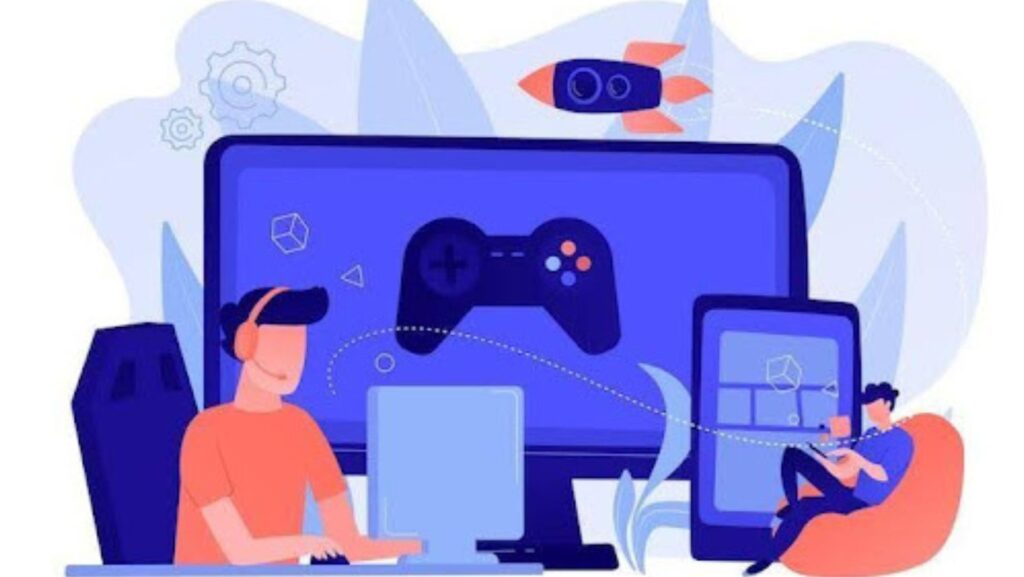
The gaming industry has changed a lot over the past decade. Players aren’t just sticking to one device anymore—they want to play games on their console at home, continue on their phone during lunch break, and maybe jump back in on their PC later. For game developers, this means one thing: your game needs to work on multiple platforms if you want to reach as many players as possible.
But getting a game to run on different platforms isn’t as simple as copying files from one system to another. Each platform has its own quirks, requirements, and technical limitations. That’s where game porting services come into play, helping studios navigate the complicated process of adapting their games for different systems.
Why Your Game Deserves to Be on More Than One Platform
Let’s be honest—developing a game takes a massive amount of time, money, and effort. Once you’ve poured all those resources into creating something great, it makes sense to get it in front of as many players as possible. Releasing on just one platform means you’re potentially leaving a huge audience untapped.
Think about it this way: if your game is only available on PlayStation, you’re missing out on everyone who owns an Xbox, a Switch, or who prefers gaming on PC. Each platform has its own dedicated player base, and many gamers are loyal to their preferred system. By expanding to multiple platforms, you’re not just increasing your potential sales—you’re also building a larger community around your game.
There’s also the longevity factor. Games that exist on multiple platforms tend to have a longer shelf life. When one platform’s player base starts to decline, you might see growth on another. This diversification helps your game stay relevant and profitable for years after the initial release.
The Real Challenges of Moving Games Between Consoles and PC
Porting a game sounds simple in theory, but in practice, it’s full of technical headaches. Every platform operates differently under the hood. The hardware varies dramatically—from the processing power to the graphics capabilities to the amount of memory available. What runs perfectly on a high-end gaming PC might struggle on a mobile device or an older console.
One of the biggest challenges is the graphics pipeline. A game built for PC might use graphics features that simply don’t exist on certain consoles, or vice versa. Developers often need to rebuild entire rendering systems to accommodate these differences. Textures might need to be compressed differently, lighting effects adjusted, and visual effects scaled back or enhanced depending on the target platform’s capabilities.
Then there’s the control scheme problem. A game designed with a keyboard and mouse in mind plays very differently than one built for a controller. And if you’re porting to mobile, you’re dealing with touch controls, which is a completely different beast. Each input method needs to feel natural and responsive, which often means redesigning significant portions of the user interface.
What Actually Happens During the Porting Process
Professional game porting services typically break down the work into several distinct phases. It’s not just about making the game launch on a new system—it’s about making sure everything works exactly as intended.
The process usually starts with an assessment phase. Teams need to examine the original game’s code and figure out what needs to change. Some games are built with multi-platform support in mind from the start, which makes things easier. Others are deeply tied to one specific platform’s architecture, which means more work ahead.
Next comes the actual development work. This is where engineers dig into the code, rewriting sections that won’t work on the new platform. They’re dealing with things like different file systems, various graphics APIs, and platform-specific features. It’s detailed, technical work that requires people who really know what they’re doing.
Testing happens throughout the entire process, but it becomes especially critical near the end. Every feature needs to be checked, every button pressed, every level played through. Bugs that didn’t exist in the original version can pop up unexpectedly. Performance issues need to be identified and fixed. The goal is to make sure players on the new platform get the same great experience as those on the original one.
Making Sure Your Game Runs Smoothly Everywhere
Performance optimization is probably the most critical part of porting. It doesn’t matter if your game technically runs on a new platform if it’s plagued by lag, stuttering framerates, or long loading times. Players expect smooth, responsive gameplay, and anything less will result in negative reviews and refund requests.
Different platforms have different performance targets. Console players generally expect 30 or 60 frames per second, depending on the game type. PC players often want options to push even higher. Mobile games need to balance performance with battery life. Figuring out how to hit these targets while maintaining visual quality is a constant balancing act.
Key areas that need optimization include:
- Memory management and asset loading systems
- Graphics rendering and shader compilation
- Physics calculations and collision detection
- Network code for multiplayer functionality
- Audio processing and sound effect playback
- Background processes and system integrations
Sometimes optimization means making tough choices. Maybe certain visual effects need to be toned down. Perhaps the draw distance gets reduced slightly. The trick is making these adjustments in ways that preserve the core experience while hitting the necessary performance benchmarks.
Dealing With Different Controllers and Screen Sizes
Input and display variations create their own set of challenges. A PC player might have an ultrawide monitor, while a Switch player is dealing with a much smaller screen in handheld mode. Your UI needs to scale appropriately and remain readable across all these different scenarios.
Controller layouts differ between platforms too. PlayStation has its iconic button symbols, Xbox has letters, Nintendo has its own scheme. Button prompts in your game need to match whatever controller the player is using. And don’t forget about accessibility features—each platform has different requirements and expectations here.
For games moving to mobile platforms, the challenge multiplies. Virtual thumbsticks need to be positioned just right. Touch targets need to be large enough to hit reliably. The entire control scheme might need reimagining to work well on a touchscreen. This isn’t just technical work—it requires thoughtful game design decisions.
How Long Does Porting Really Take?
This is the question every studio wants answered, and unfortunately, there’s no simple answer. A straightforward port of a relatively simple game might take a few months. A complex game moving to a very different platform could take a year or more.
Several factors influence the timeline:
- Complexity of the original game and its codebase
- Similarity between the original and target platforms
- Whether the game requires significant UI or gameplay changes
- Multiplayer functionality and online features that need testing
- Platform certification processes and approval requirements
It’s worth noting that porting usually takes longer than developers initially expect. Unexpected technical issues pop up. Platform holders might request changes during certification. Thorough testing reveals bugs that need fixing. Smart studios build buffer time into their schedules to account for these inevitable surprises.
When to Handle Porting Yourself vs. Getting Help
Some studios have the in-house expertise to handle porting on their own. If your team is already familiar with multiple platforms and has experience navigating the technical challenges, you might be able to manage it internally. This gives you complete control over the process and keeps all the work under one roof.
However, many studios find that working with professional game porting services makes more sense. Porting requires specific expertise that your main development team might not have. Taking key developers away from your next project to work on a port can slow down your overall production pipeline.
Specialized porting partners bring valuable experience to the table. They’ve dealt with the common pitfalls before. They know how to optimize for each platform efficiently. They have established relationships with platform holders, which can smooth the certification process. For many studios, outsourcing the porting work lets them focus on what they do best—making great games—while experts handle the technical adaptation.
Common Mistakes Studios Make When Porting Their Games
Even experienced developers can stumble during the porting process. One frequent mistake is underestimating the work involved. What seems like a straightforward technical task often reveals hidden complexity once you dive in. This leads to blown budgets and missed release dates.
Another common error is treating the port as an afterthought. Some studios wait until their game is completely finished on the original platform before thinking about other versions. This can create problems because certain design decisions might make porting much harder later. Thinking about multi-platform support early in development can save enormous headaches down the road.
Testing is often cut short in the rush to release. A port might seem to work fine in basic testing, but edge cases and uncommon scenarios can reveal serious bugs. Platform-specific issues might only show up after extensive play. Skimping on quality assurance is a recipe for launch day disasters and player frustration.
Common pitfalls to avoid:
- Ignoring platform-specific player expectations and conventions
- Failing to optimize for the target hardware properly
- Not allocating enough time for certification processes
- Underestimating the complexity of multiplayer porting
- Poor communication between porting teams and original developers
The certification process deserves special mention because it trips up many studios. Each platform holder has specific requirements that games must meet before they’re allowed to launch. These range from technical performance standards to user interface guidelines to accessibility features. Failing certification means delays and additional work, so understanding these requirements upfront is crucial.
Finally, some studios make the mistake of creating a port that’s technically functional but not really optimized for the platform. Players can tell when a game wasn’t designed with their system in mind. The controls feel awkward, the menus are clunky, or the performance is just barely acceptable. A great port doesn’t just run on a platform—it feels like it belongs there.
Working with experienced game porting services helps avoid these mistakes. Professional teams have learned these lessons the hard way through years of projects. They know which shortcuts lead to trouble and which optimizations make the biggest difference. They understand what each platform holder is looking for during certification. This expertise can mean the difference between a smooth, successful port and a troubled launch that damages your game’s reputation.
The gaming landscape will only become more fragmented in the years ahead. New platforms emerge, existing ones evolve, and player expectations continue to rise. Studios that master the art of porting—or partner with those who have—will be best positioned to succeed in this multi-platform world. Your game deserves to reach every player who might enjoy it, regardless of what device they prefer. Done right, porting opens doors to new audiences and extends your game’s life far beyond its original release.