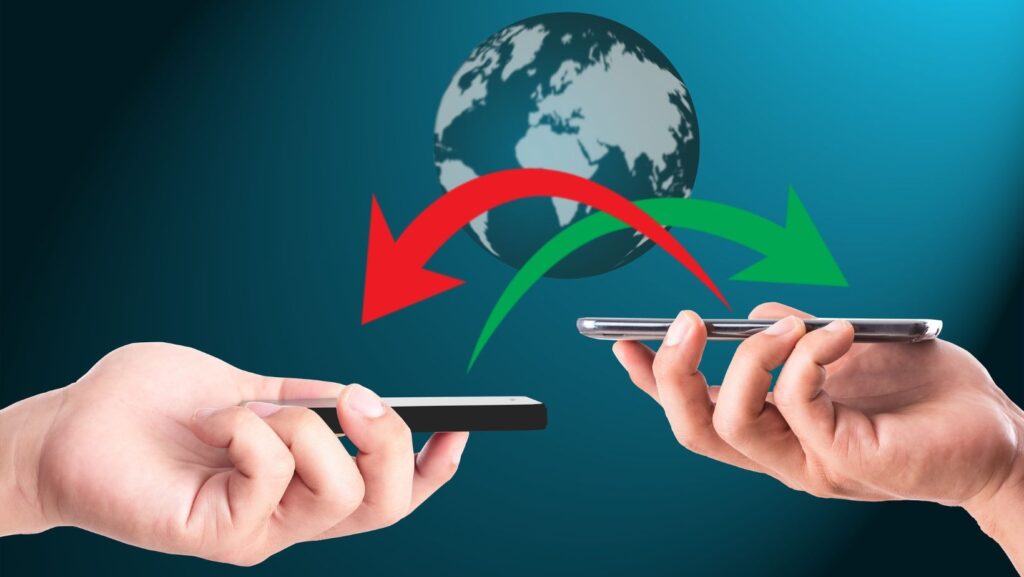
Sending money abroad is part of everyday life for many people to help their family, pay for services, or manage commitments in another country. Today, you can do it quickly and safely from your phone, with clear fees and delivery times before you hit “send.”
In this guide, we’ll walk you through the most practical options and a few habits that make each transfer smoother. As global mobility increases and more people work, study, or support relatives outside their home country, the demand for reliable cross-border payments continues to grow.
Digital remittance apps: speed with clarity
If you’ve ever compared transfer options on your mobile, you’ll know things like when the money will arrive, how much it will cost, and what exchange rate you will get matter. The best apps answer those questions upfront and let you track every step. For instance, it’s straightforward to send money to India from Canada with clear timelines and delivery choices. Modern apps also highlight promotions, fee discounts, or loyalty rewards that can make frequent transfers more economical over time.
Beyond speed and transparency, the best services help you choose the right delivery method for your recipient’s reality. Some routes are faster on weekdays, some wallets have lower cash‑out fees, and cash pickup hours can vary by location. Spend a minute in the app’s route selector to preview delivery windows, any pickup requirements, and whether the recipient prefers wallet, bank, or cash.
Security sits quietly in the background, but it’s doing a lot of work. Reputable services use encryption to protect your data, add extra verification when you log in, and run compliance checks to keep transfers legitimate. You’ll usually receive alerts as the payment moves, so you know when it’s picked up or deposited.
Day to day, convenience is what keeps people coming back, and you can fund a transfer with a card or bank debit, and your recipient can receive the money in a bank account, a mobile wallet, or as cash at a nearby location.
Banks, cash pickup and mobile wallets
For larger amounts, many people turn to their bank because the process feels familiar and sits inside the app you already use for your accounts. Some banks now offer clearer fees and better rates than they used to, though it’s still worth checking the total cost before sending.
Cash pickup works well when your recipient prefers physical cash or doesn’t use a bank account because you start the transfer online, they show ID at a partner location, and the money is in their hands shortly after.
Mobile wallets are increasingly common in many countries. They’re apps that store money on your phone, often used to pay bills or shop locally. Sending directly to a wallet is typically fast, and the recipient can spend the funds right away or cash out later.
How to get better rates and faster delivery
A small change in exchange rates can make a visible difference to what your recipient gets, so if timing isn’t urgent, set a rate alert and send when the rate improves. Many services allow you to schedule transfers or lock an exchange rate for a short window, which is useful when rates fluctuate throughout the day.
Also, it is a good idea to look at the total cost of the transfer and not just the fee. A low fee with a weak exchange rate can end up costing more than a slightly higher fee with a stronger rate; good apps show you the exact amount the recipient will receive before you confirm. Use that figure to compare.
Finally, accuracy prevents delays, so double-check the recipient’s name, bank details, or wallet ID, then save them for next time. In-app tracking will let you know when the money lands, so you don’t have to chase confirmations.
International transfers work best when you have clear information. Choose the route that fits your situation, check the total you’ll deliver, and keep your details tidy.