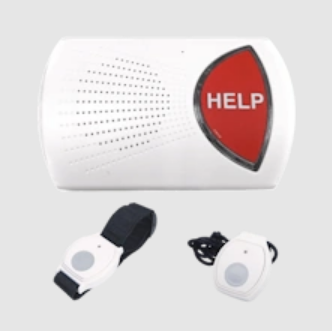
Choosing a medical alert bracelet for a parent or loved one sounds simple at first. Most families quickly realize there is more to consider than they expected. Comfort, water resistance, battery life, and fit all affect whether the bracelet gets worn every day or ends up in a drawer, and that decision usually falls to the family.
Across Canada, more families are researching these devices every year as parents choose to age in place rather than move into assisted care. Yet a survey of more than 4,000 Canadian adults found that 33 percent did not use their wearable monitoring device regularly, often because it did not fit well into daily life. That gap between owning a device and actually wearing it is exactly where a family’s early decisions matter most.
This article explores eight things families should know before choosing a medical alert bracelet, so the decision holds up once daily life sets in.
1. Know That A Bracelet Offers The Same Protection As A Pendant
Families sometimes assume a bracelet is a lighter or less capable version of a pendant. It is not. Pressing the button connects a loved one to a monitoring center through the same two-way voice communication system, and the base station or cellular connection behind it works the same way.
The only real difference is where it sits on the body. If a parent has already said no to wearing a necklace, a medical alert bracelet for seniors offers the family a second option without sacrificing any of the protection a pendant provides.
2. Check How It Feels Before Committing To It Long Term
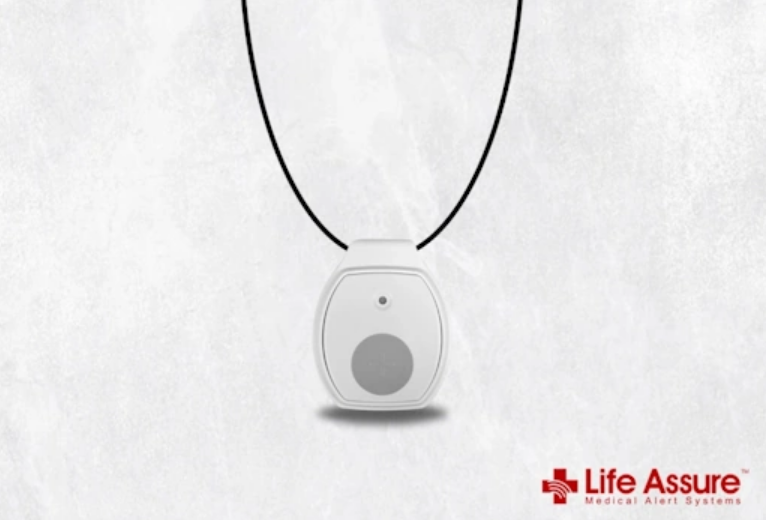
A cumbersome and uncomfortable device will not be worn regularly. This applies to all kinds of wearables, including medical alert systems. Families need to have their loved ones test out the bracelet before making any decisions.
Fitting well is often the only thing that keeps a device from ending up forgotten at home. Five minutes spent checking whether the device fits well will save many months of wondering why the senior is no longer wearing it. It is worth it in comparison to the regret of not having worn a device that could have helped.
3. Match The Water Resistance To Real Daily Habits
Families should ask directly how a bracelet handles water, since a large share of falls happen in the bathroom. A device that withstands just splashes will provide little protection when the senior takes a real shower, which is when the device is needed the most. Families do not usually consider this issue when choosing a bracelet, since a gadget looks the same regardless of its water resistance.
Therefore, if the senior wearing the bracelet enjoys gardening, washing dishes, or spending time outdoors, it is better to buy a bracelet with maximum water resistance. Knowing the water resistance beforehand prevents the family from learning about the malfunction at the moment it matters the most.
4. Fall Detection Is Available In Wristband Form Too
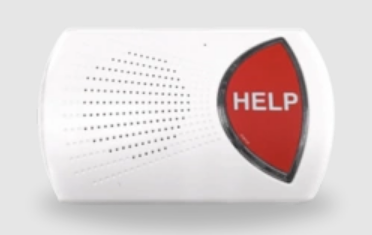
Fall detection is not limited to pendants. There are bracelets with the same kind of motion-sensing technology built into the wristband. This is important for families whose senior members cannot push the button after a fall. The sensor can automatically send an alert signal in response to certain sudden movements.
It is important to know whether the mentioned service is included in the provider’s basic package or is an additional service purchased separately.
5. Weigh GPS Tracking for Seniors Who Leave the House Often
For families whose seniors regularly walk, garden, or run errands, GPS tracking is worth prioritizing over a stationary home system. A GPS-enabled bracelet identifies the wearer’s location the moment an alert goes out, allowing responders to reach the right place faster. Families comparing a medical alert bracelet for seniors against a traditional pendant often find that this feature is the clearest reason to choose the mobile version.
6. Battery Life Varies With How Many Features Run
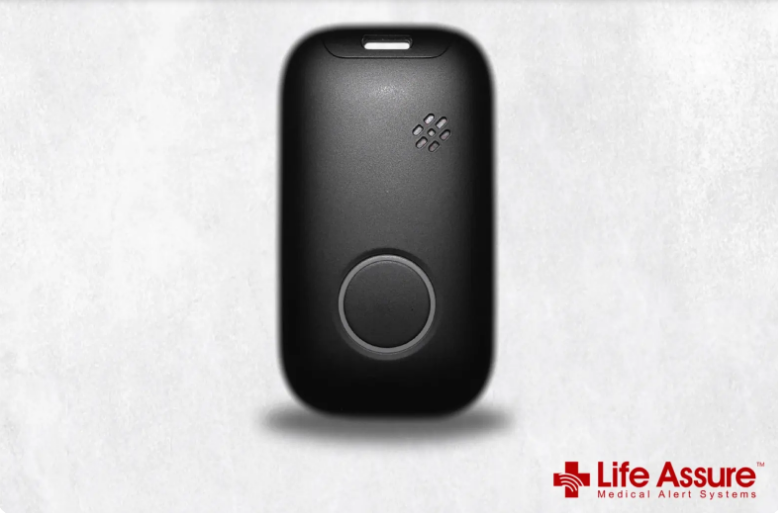
GPS tracking and cellular connectivity both use more battery than a basic button press. A bracelet running several features at once will need charging more often than a simple home-based unit.
Families should ask about real-world battery life under regular use, not just the manufacturer’s best-case number. Knowing the actual charging routine ahead of time helps avoid an unexpected dead battery.
7. Families Get Peace Of Mind Without Constant Check-Ins
Families juggling caregiving alongside work and their own households are often stretched thinner than anyone outside the situation realizes. For example, in Canada, that pressure shows up clearly in the numbers. Statistics Canada reports that roughly one in four Canadians provides care to a family member with a long-term health condition, often while managing their own jobs and households.
A medical alert bracelet does not remove that responsibility, but it does let families check in less often without checking in as carefully. Knowing help is one button away reduces the pressure to call multiple times a day to make sure everything is fine.
8. Fit Should Match Daily Habits, Not Just Looks
Families choosing a bracelet should take into account how their loved one lives their daily life, rather than being driven solely by their own preferences. For example, families where the older adult is very active, works in the garden, and takes walks daily will benefit from the GPS function and the ability to withstand water.
If the senior leads a rather sedentary lifestyle, it is better to go for a simpler option. Either way, families who match the device to real daily habits, rather than assumed ones, end up with a bracelet that actually gets used.
Final Thought
None of these eight points is complicated on its own, but together they explain why some families end up happy with their choice while others abandon the device within months. Comfort, water resistance, fall detection, and fit all play a role in whether a bracelet becomes a daily habit or a forgotten item in a drawer.
Taking the time to match the device to a senior’s actual routine, rather than guessing, makes the difference between real protection and a good intention that goes unused.